Coroner calls for checks on lifebuoys after drowning of teen in Kildare canal
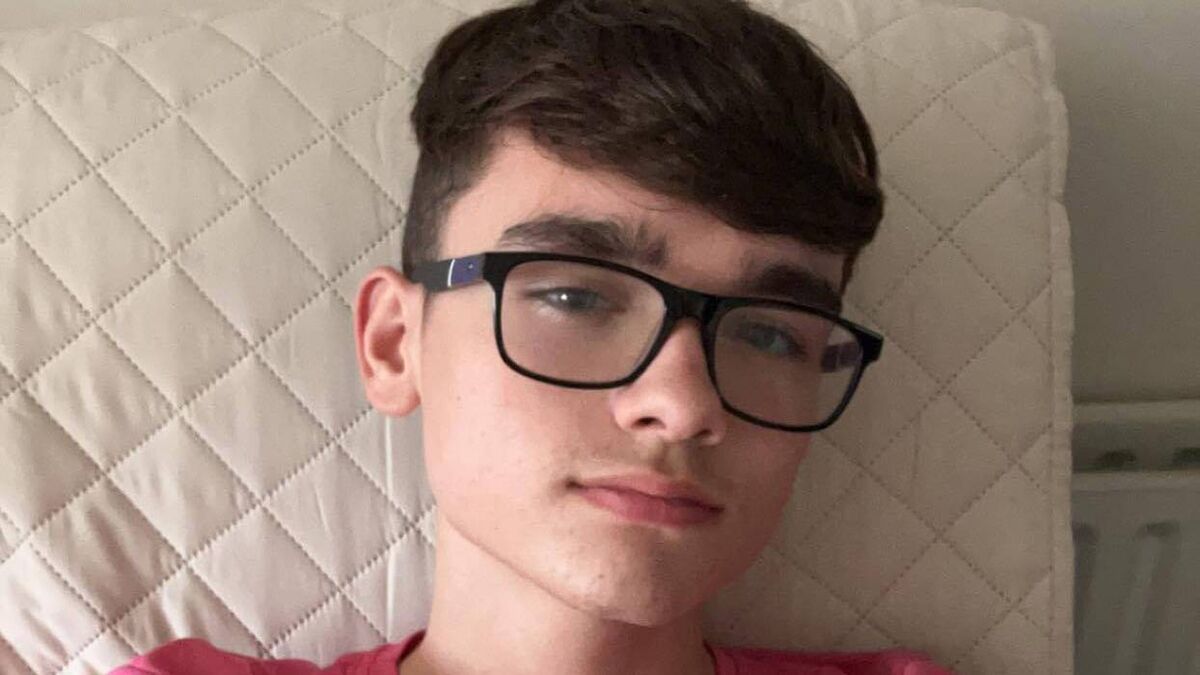
The late Max O'Connor
A coroner has called for regular inspections to be carried out on the accessibility of lifebuoys after an inquest heard friends of a teenager who got into difficulty while swimming in the Grand Canal in Kildare could not untie a lifebuoy from its stand to assist in attempts to rescue him.
A sitting of Kildare Coroner’s Court heard Max O’Connor (15) from Newcastle, Co Dublin drowned while swimming in the canal at the 13th Lock between Ardclough and Celbridge, Co Kildare on May 11, 2024.
The coroner, Loretta Nolan, issued a number of riders to her verdict after hearing evidence from several eyewitnesses about the inability of other teenagers to remove a lifebuoy from its stand.
Dr Nolan said she would write to Waterways Ireland to alert them of her recommendation that lifebuoys should be both available and accessible.
The coroner acknowledged that there is a problem with vandalism of the lifesaving equipment but stressed that there was a need to “get the balance right” in terms of making them accessible.
She said it was important for anyone considering getting into water to help another to be able to access lifebuoys for their own personal safety.
Dr Nolan also called for swimming lessons to be made a formal part of the curriculum at secondary school level.
The coroner, who revealed she had lifeguard qualifications herself, noted that transition year students do some lifeguard training in association with Water Safety Ireland.
She observed that it would be good for all post-primary students to have the knowledge of what to do if they found themselves in similar situations.
The inquest heard evidence from six teenagers who were with the deceased at the time of the fatal incident.
They told the coroner how two groups of friends from different schools had met up and decided to go swimming in the Grand Canal near the Cliff at Lyons country retreat.
The inquest heard that Max – a 3rd Year student at Coláiste Chilliain in Clondalkin, Dublin – had gone to the canal on his e-scooter with a speaker to play music.
The teenagers described how some of them were jumping in and out of the canal, but Max had originally indicated he was not going to go in the water.
Another friend said he and Max had jumped into the water together after others had been diving into the canal for about 30 minutes.
He raised the alarm just after 5pm after realising that his friend was not getting out of the water.
One witness said he would have advised the deceased not to go in the water if he had realised, he could not swim.
The teenager recalled seeing Max was drowning when he saw him trying to swim to the surface with air bubbles coming out of his mouth.
He said he jumped back into the water, and both were reaching out to try and grab hold of each other.
The witness said he tried to hold onto a chain to go deeper but “we were out of reach of each other.” He added: “Everyone loved Max. He was a good friend and a friendly guy.” He described the deceased as “very funny” and “gentle.”
“We’ll all miss Max. He’ll never be forgotten,” he concluded.
Another youth who dived into the canal to try and rescue Max said his friend looked like he was panicking in the water.
The witness said he and another swimmer had grabbed the deceased by the arms but were unable to pull him up.
“He was struggling and panicking,” the teenager recalled.
He said others were screaming at them to get out of the water which was estimated to be 15-20 foot deep where the group were swimming.
One girl fought back tears as she described how they struggled to remove the lifebuoy off its stand.
Another boy described trying to kick at the lifebuoy’s stand to try and break it as its rope was “wrapped around a pole” and could not be removed.
A woman living near the lock, Maeve Boylan, described how she was originally wary of the group of teenagers as she had experience of some groups being “trouble” but had observed how they seemed “calm and friendly.” Ms Boylan said she realised that there was a bit of panic among them at one stage and realised a short time later what had happened when she heard someone shout out that someone was missing.
She told the inquest that she had spent 20 minutes on a 999 call to emergency services, while she had also got a key to open the lock to drain the water from the area where the group were swimming.
Ms Boylan said she was frustrated at not being able to do anything further to help and at realising that they were not going to be able to save the victim.
An aunt of the deceased, Joanne Moore, gave evidence of formally identifying her nephew’s body to gardaí.
Dr Nolan said the results of a postmortem showed that Max had died from drowning.
She said toxicology reports had corroborated the evidence of the witnesses that the deceased had not consumed any alcohol or drugs.
Returning a verdict of accidental death, Dr Nolan also recommended that counselling should be provided to Max’s friends, if they had not already received it.
The coroner said she would be writing to the different schools attended by the witnesses about her belief that counselling would be beneficial for them.
“It’s an experience that most people don’t experience thankfully,” she observed.