Dublin hospital hired interpreters for foreign-language patients nearly 11,000 times in 17 months
Darragh Mc Donagh
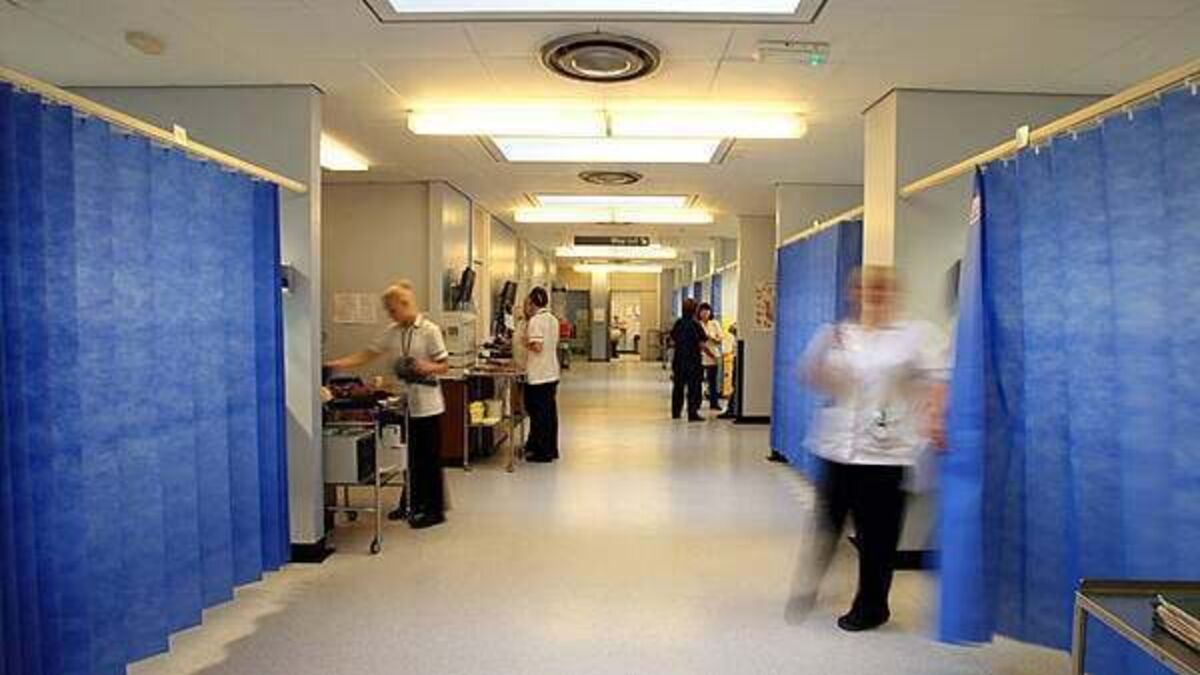
Tallaght University Hospital engaged the services of interpreters for patients who did not speak English almost 11,000 times during a recent 17-month period, a new study has revealed.
Interpreter services were required in 64 different languages, the most common of which was Ukrainian, which accounted for almost 29 per cent of bookings, followed by Russian, Polish, and Romanian.
Interpreters were engaged by the Dublin hospital 10,793 times between January 1st, 2024 and June 9th, 2025, supporting 3,397 individual patients. A total of 79 per cent of the services were delivered face-to-face.
More than 90 per cent of the engagements took place in an outpatient setting, according to research by doctors based at the hospital, which was published on Tuesday by the Irish Journal of Medical Science.
They said the findings reinforced the argument for embedding interpretation services in the country’s healthcare framework, as well as underscoring the need for standardised, regulated interpreter services.
Effective communication is a cornerstone of equitable healthcare, and interpreter services play a critical role in ensuring accurate information exchange, patient autonomy and culturally competent care, they added.
The authors called for the establishment of national accreditation standards for healthcare interpreters, training for medical and nursing students in interpreter use, and equitable provision of the service across outpatient and inpatient settings.
“These are critical to embedding language equity and cultural competence within the Irish healthcare system,” they wrote.
“Strengthening interpreter provision represents a necessary evolution toward a healthcare model that reflects and services Ireland’s increasingly multicultural population.”
Russian accounted for 12.5 per cent of interpreter bookings, just ahead of Polish (12 per cent) and Romanian (10 per cent).
Other languages included Arabic, Lithuanian, Mandarin, Georgian, and Portuguese.
Some 3,869 of the 10,793 interpreter bookings were made for patients in the surgical department at Tallaght, 321 of which were inpatients at the hospital.
A total of 579 were made for patients in the orthopaedic department.
The authors of the study, who work in the departments of surgery, trauma and orthopaedics, and inclusion health at the hospital, said interpreter services were “vital” for patient safety and informed consent in a diverse healthcare setting.