Skunks could have 'decimated' Kildare bog, expert says
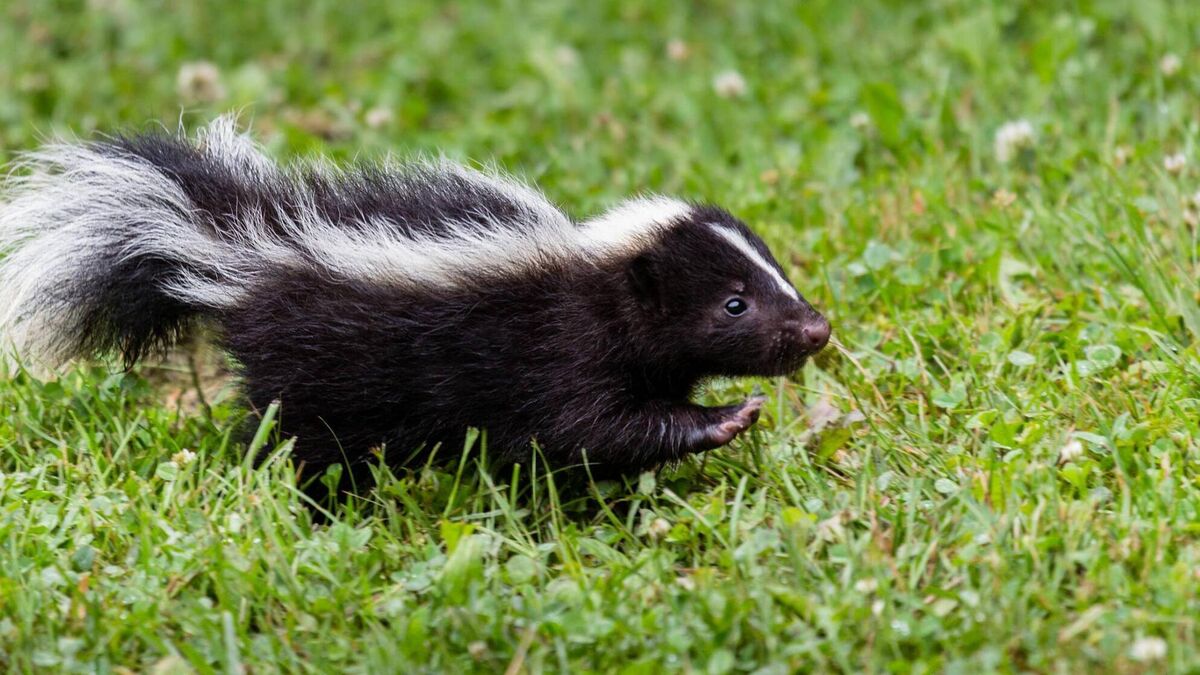
Photo for illustrative purposes only
AN INVESTIGATION is under way into the origins of seven non-native striped skunks that were discovered near Milltown Bog in Kildare.
The origins of the animals remain unclear, and it is not known whether they escaped or were deliberately released.
The area around Milltown Bog near Newbridge includes protected raised bog habitat and is important for native breeding wading birds. NPWS has said the animals posed a potential threat to biodiversity.
Niall Hatch, head of communications & development at BirdWatch Ireland, a charity dedicated to the conservation of wild birds and other biodiversity, warned that the animals could have had a devastating impact on local wildlife.
Speaking to the Kildare Nationalist, he said: “They could absolutely have decimated the wildlife of the bog and the surrounding region. These skunks are very adept and skilled for hunting birds, especially the eggs and the chicks. The ground nesting birds would have little to no defense against them.
“Because skunks defend themselves with this very, very powerful bad smell that they produce, it means that predators such as foxes and others just won't go near them.”
The National Parks and Wildlife Service (NPWS) was alerted after receiving a report containing video evidence from a member of the public in March.
What initially appeared to be a single sighting developed into a wider operation when officials realised multiple skunks were present in the area.
According to the Department of Housing, Local Government and Heritage, NPWS ‘assessed the report given the potential harm that a non-native omnivore with no natural predators could have on local biodiversity and animals’.
Mr Hatch said: “It's always a major concern when a non-native species gets into the wild like this.”
He explained: “They have no natural predators themselves in Ireland. In their native range in North America, they prey extensively on birds' eggs and birds' chicks. So, it's very concerning indeed.” Mr Hatch added the incident raised biosecurity issues.
“It also calls into question things like biosecurity measures, like how did these animals arrive in Ireland? How did they come to be in the bog? I know there was some discussion around them appearing in a WhatsApp group around exotic pets.
“It's very concerning that this is going on relatively unchecked within Ireland and poses a huge threat to our native wildlife”.
The Journal reported that the skunks had been advertised for sale in a private WhatsApp pet-trading group before their discovery, raising questions around exotic pet ownership and possible abandonment.
Mr Hatch said that skunks “can be very aggressive” and are not suitable as pets.
He added that the biosecurity measures of other island nations such as Australia and New Zealand “put us to shame”.
Mr Hatch said that the issue also has implications for human health, noting that Ireland is one of the few countries that remains free of rabies.
He believes that adequate laws are in place, but that enforcement is lacking.
The conservation expert said that the Milltown skunk discovery is part of a wider trend of exotic animals entering the country:
“Probably the example that's given the biggest cause for concern in Ireland in recent times has been the American mink, which is obviously non-native. It's widespread across Ireland now and is already impacting massively a lot of ground nesting birds and water birds especially.
“So that's a very good example, a pertinent example of something that has happened recently.”
He said there are “all sorts” of exotic pets and creatures “available for sale in a sort of a fairly unregulated fashion, our laws are just not enforced. And I think that much more needs to be done to try to prevent these creatures being brought into Ireland in the first place.”
The animals were captured during March and April and euthanised, while the Department of Agriculture was consulted ‘in order to ascertain any potential disease or other considerations outside of the potential adverse ecological impact of the presence of the animals’.
Mr Hatch said the NPWS response, including the euthanisation, was justified and shows “how seriously they view this issue, and you know that they it's very important for that species to not become established in Ireland”.
He added: “People need to realise that these kinds of exotic animals have no place in the wild in Ireland.”