Study shows job divide between South & North Kildare
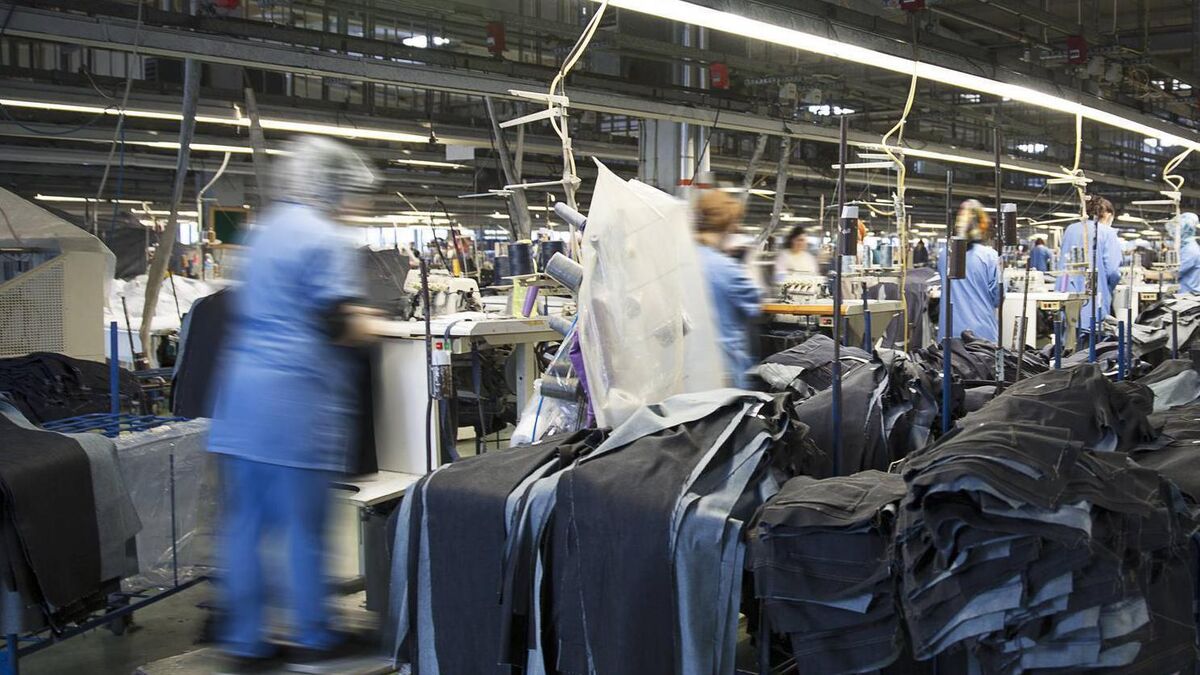
Photo for illustrative purposes only
A NEW study has shown the scale and nature of the north/south Kildare divide when it comes to employment and opportunities.
Kildare County Council published the Strategic Employment Locations Study last week, which analysis of recent trends related to employment and population and outlines a strategic economic vision for the county, looking ahead to 2040.
The study paints a stark picture of the divide between the north and south of the county.
The study noted that Kildare has a high employment rate (92.7%) within the labour force of as of the 2022 census. However, there is a big divide between areas.
Towns such as Naas and Maynooth have a high rate of jobs per resident worker, at more than 0.82. This means that for every 5 people in the workforce living in those places, there are 4 jobs located in their local area. These two North Kildare towns account for 24 per cent of jobs in the county together.
The jobs to worker ratio in Leixlip numbered 1.17, meaning there are more jobs than residents, with many workers commuting from Dublin to fill the offices of American tech multinational Intel.
Athy in contrast, has a jobs per resident ratio of 0.58 - pointing to the town’s reliance on commuting to other parts of the county and Dublin.
It is also a factor in the town having the highest unemployment rate amongst the resident in the county of 14.6%, as of the 2022 census.
Kildare Town has an unemployment rate of 10.1%, whilst the figure for Newbridge sits at 9.3%.
Maynooth, somewhat unsurprisingly, had the lowest unemployment rate in the county at 5.4%.
Amongst towns in the south Kildare, Newbridge had the highest job-to-resident worker ratio of 0.66.
The report describes Naas, Leixlip, Newbridge and Maynooth as the “key employment locations” in the county. The report outlines eight strategic employment locations virtually all are based around these four Kildare towns.
These locations have been identified as having “the potential to facilitate significant employment growth for a specific settlement and its surrounding hinterland.”
Littleconnell in Newbridge is the strategic employment location furthest south in the county with others being Ladytown and the NorthWest Quadrant in Naas; Parsonstown/Leixlip Demesne and Collinstown near Leixlip; Loughlinstown/Hazelhatch near Celbridge and Laraghbyran West, Maynooth.
It is anticipated that there will be population boom by 2040 in Kildare with Naas and Maynooth’s population to increase by 35 and 66 per cent respectively with the likes of Newbridge and Athy having more modest increases of 15 per cent.
In regard to commuting, 41,688 people – or 36.5 per cent of the county’s resident workforce – commute outside of the county for work. 46.8 per cent of the 114,328-strong resident workforce are employed within Kildare.
Foreign Direct Investment employment is greater than local enterprises, being responsible for 61.8% of employment.
Cause for optimism outside of north Kildare revolves around factors such as land availability and future job growth.
According to the study, “Naas is currently in the strongest position to facilitate significant economic investment and future jobs growth accounting for 29 per cent of available land”, whilst Newbridge is not too far behind at 17 per cent of future land available.
With regards to Athy and the matter of land use zoning, only 5 per cent of land of available land is zoned for enterprise and employment. The report said that “given the new distributor road and improved infrastructure links to Dublin which have been developed over the past number of years, the town is now in a better position to attract a range of new and emerging sectors”.
Director of Planning, Enterprise and Economic Development at the council Alan Dunney said: "By identifying strategic employment locations, we are ensuring the county, and our major settlements can continue to attract investment, support high-quality job creation, and align economic growth with projected population. It provides a strong, evidence-based foundation to guide sustainable development to 2040.”