Phil Healy: 'It is time for my body to have the break it needs'

Michael Bolton
Ireland's trailblazing sprinter Phil Healy called time on her career at the age of 31.
The winner of 17 national senior titles, who represented Ireland in two Olympics, and was key to successful relay teams, Healy is one of the most successful sprinters the country has seen.
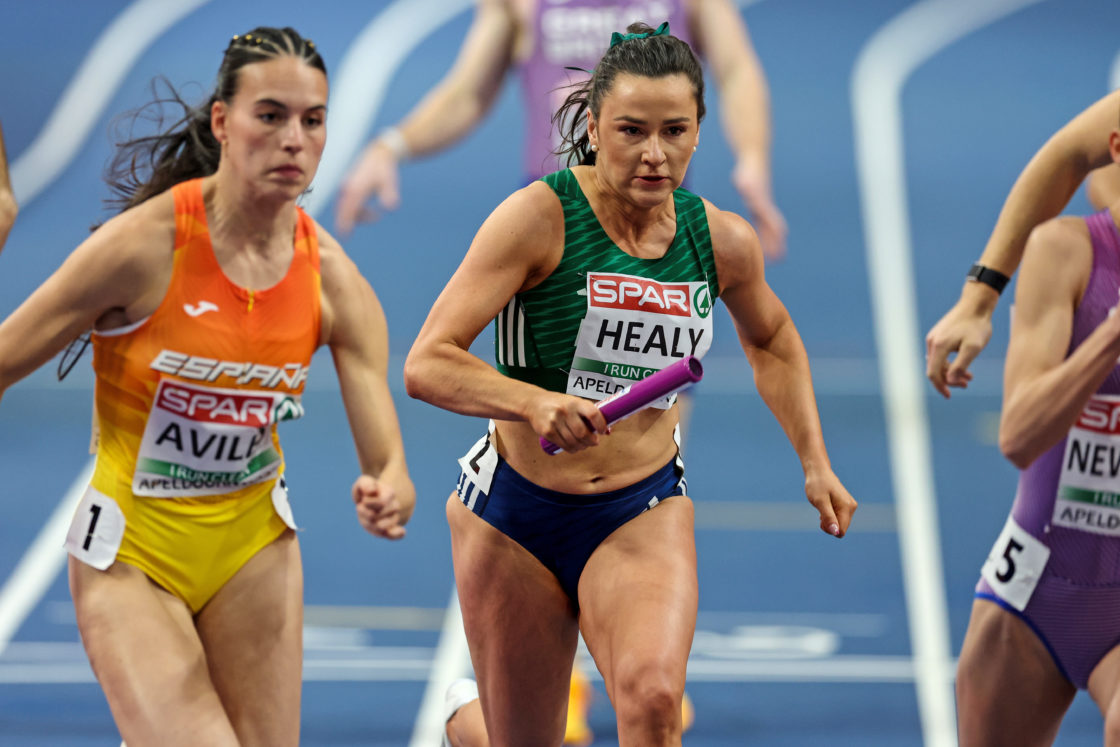
The Cork woman, who won a European championship silver medallist in the women’s 4x400m relay in 2024, was also part of the relay side that finished fourth in the Paris Olympics.
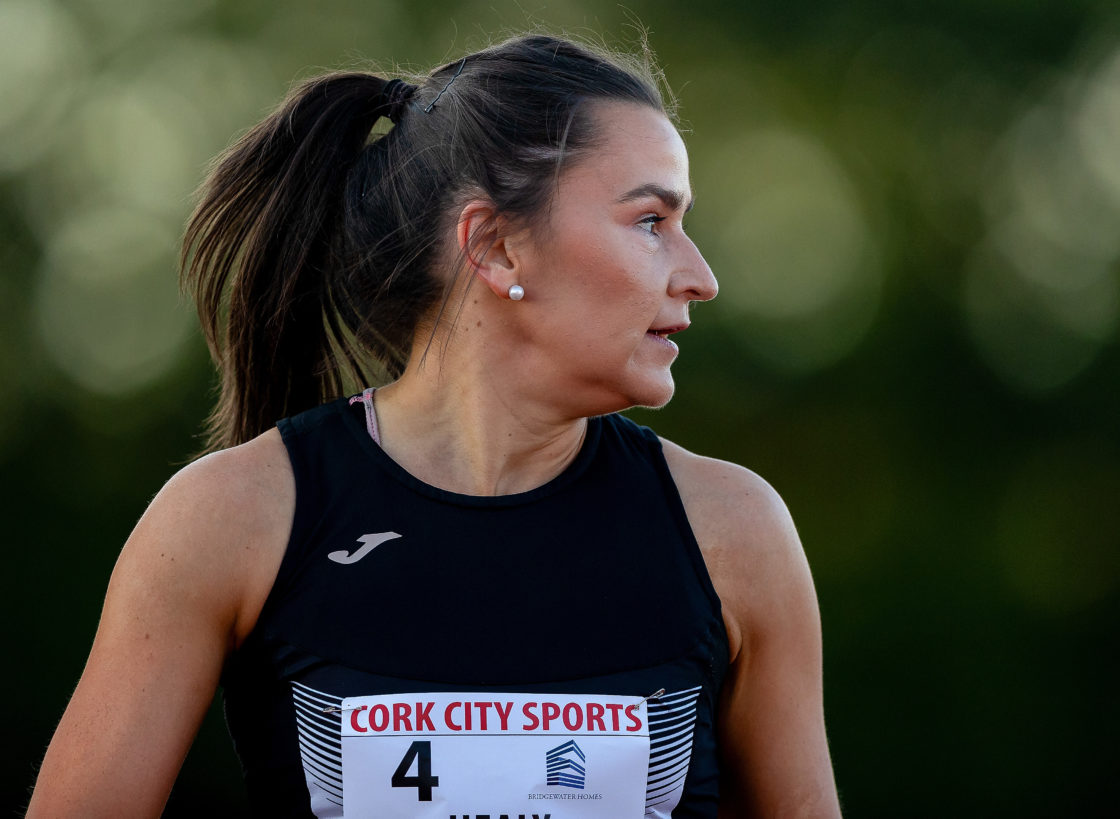
Battling through pain and adversity through much of her career, Healy spoke to BreakingNews.ie on why she was happy to retire on her own terms.
"For me, I always wanted to go out on my own terms. I never wanted to be forced out through injury or anything like that.
"I said, would I stop after the Paris Olympic Games? That was just thinking during the 2024 year, my physio just said forget about that decision for now, once you know, you will know.
"Went on to the 2025 season, I did struggle to find form and perform to my standard. I had to go and get shoulder surgery in October. I always knew the timeline for that was going to take a minimum of four months before I was going to go back to normal training.
"I went back to training to see if I had the desire, and I didn't have it anymore. Battling other things like my thyroid and medication increases, I decided now it is time for my body to have the break it needs."
There may not have been a farewell race or a big moment before Healy's career came to an end, but the Cork woman is happy to make the decision to step away from the sport.
"I can walk away from the track knowing I have given it everything. I was fully in control of the decision.
"There are so many athletes who are constantly trying to fight back from injury and give that last performance they wanted to. I had done all the performances I wanted to, so I have no regrets about walking away from the sport now.
"I have done everything I wanted to achieve."
Alongside Rhasidat Adeleke, Sharlene Mawdsley, and Sophie Becker, Ireland had a relay team that became superstars after an incredible 2024.
A silver medal in the European championships in 2024 was followed by a fourth-place finish in the Paris Olympics, with the profile of each athlete rising massively in the time that has followed.
Healy admitted to a bittersweet feeling after Paris, but praised the work of the coaches in getting them to their position.
"It is a credit to our former relay coach, Dave McCarthy, who was with us until the end of the 2024 season.
"He is the reason that we have that team bond and that team culture. We compete individually 99 per cent of the year, we compete against each other and knock each other off the spots.
"We all need to know we need to perform collectively to achieve that success, so that definitely was a credit to Dave McCarthy.
"We get on so, so well together as a team. I am always in touch with the girls away from the track.
"We definitely performed beyond our expectations. We were hoping for a top-six performance.
"To shatter the national record again, it was the 10th fastest time ever run in all of history across the world. It was that bittersweet feeling.
"When we arrived back, to see the number of people at the homecoming in O'Connell Street, everyone talked about that relay team from Paris."
Healy's career is all the more impressive as she had to battle through a thyroid issue called Hashimoto's disease.
Hashimoto's disease is an autoimmune condition where the body's immune system mistakenly attacks its own healthy tissues.
Healy is often tired and takes medication to get through the disease, which has had a big impact on her career.
"It is debilitating for a normal person, but then you add high-performance sport into the mix, and it really is hard.
"It is the game of the finest margins for sport in general, and you need to give everything to be level and be in tip-top shape.
"When you are battling that and your thyroid is responding in its own world, and you don't know which way it is going to act, it really is difficult.
"There are many times when my medication has had to be increased. It takes six to eight weeks for the normal person to adapt.
"For us, we have to pull back the intensity in training. For anybody involved in any type of sport, if you are pulling back the intensity of training for six to eight weeks, you are handing an advantage to your competitors."

Day-to-day life is difficult for Healy, who was also diagnosed with PCOS (Polycystic Ovary Syndrome), a hormonal condition that affects how the ovaries function.
"Fatigue is a major factor. I could sleep for 10 to 12 hours and could wake up like I hadn't slept at all.
"I would have to go for a nap in the middle of the day. I have been working full-time for the last four years, so add that on top of it as well.
"I was back with my consultant in January, asking why I was so tired. This is like next level; it is not normal. We did further tests, and I was diagnosed with PCOS as well, so I was put on medication on a trial basis for six months in April to see how [my body] responds.
"I got my thyroid levels checked again, and they were worse than they were prior to me being on medication.
"There have been so many changes, and that has a massive impact on your body as well."