Slurry spreading season reopens in Kildare
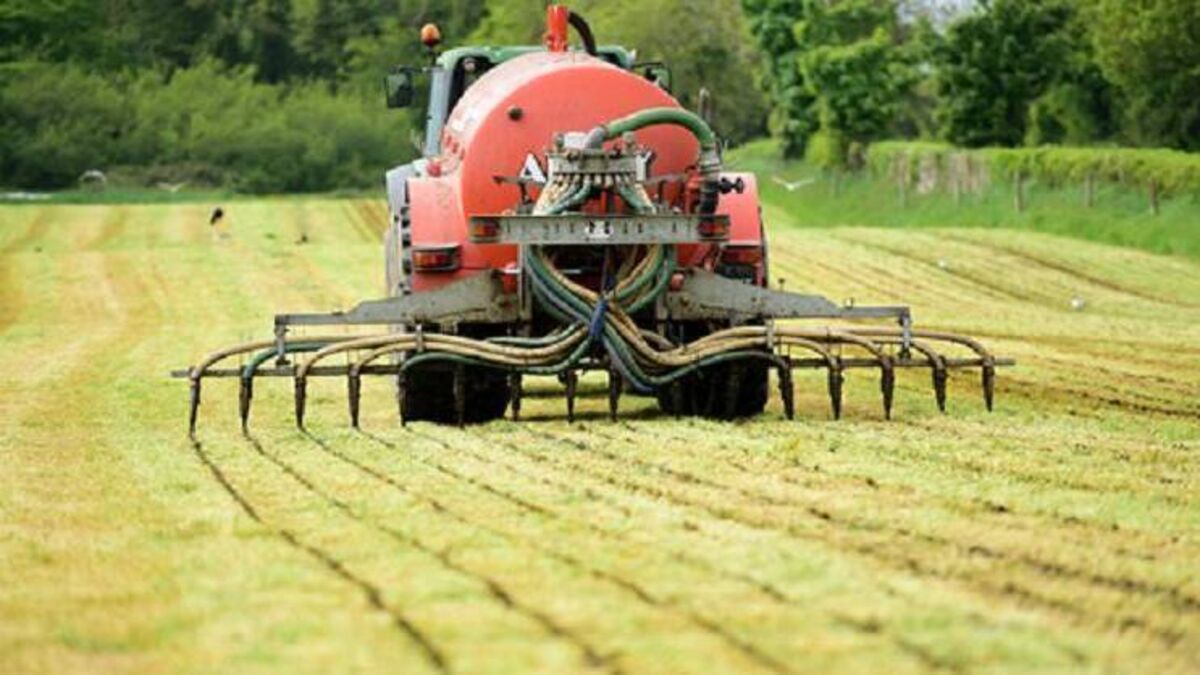
Slurry spreading season reopened last week
KILDARE Countyâ¯Councilâ¯has sought to remind farmersâ¯of the importance of safeguarding watercourses asâ¯the 2026â¯slurry spreading seasonâ¯opened again on 13â¯January.â¯â¯
From thisâ¯date, organicâ¯fertiliser, includingâ¯slurry and farmyard manure,â¯may beâ¯applied to land subject to suitableâ¯weather andâ¯ground conditions.â¯â¯
The â¯set outâ¯requirementsâ¯for theâ¯collection, storage, management and land spreading of farmyard manure, organic fertiliser and soiled water produced on a farm.â¯â¯
Notably, sinceâ¯1 January 2025, the use of low emission slurry spreading (LESS), such as trailing shoe and dribble bar,â¯became compulsory on farms stocked at 100kg N/ha or above. Low emission spreading equipmentâ¯is toâ¯be used to apply livestock manure to arableâ¯landâ¯and the livestock manureâ¯toâ¯beâ¯ploughedâ¯within 24 hours.
Applying slurry using LESS equipment can reduce ammonia emissions by 30-60% compared to the traditional splash plate method because it applies slurry more precisely and closer to the ground,â¯which significantly minimizes the risk of nutrient run-off into rivers,â¯lakesâ¯and groundwater. â¯
These measures areâ¯vital for meeting Ireland’sâ¯agriculture emissions reduction targets.â¯
However, farmers are reminded of key restrictions, such as not applying organicâ¯fertiliserâ¯or soiledâ¯waterâ¯within 5m of any surfaceâ¯water, increasingâ¯to tenâ¯metresâ¯forâ¯twoâ¯weeksâ¯beforeâ¯andâ¯after theâ¯1 Octoberâ¯and 12 â¯January off-season for spreading.â¯These restrictions also include spreading within 20m of a lake shoreline, 25m of domestic wells, or 100-200m of public water supplies.â¯
Organic and chemicalâ¯fertilisersâ¯or soiled water cannot be applied to land if theâ¯land is waterlogged, flooded, snow-covered or frozen, if heavy rain is forecast within 48 hours, or if the ground slopes steeply and there is a risk of water pollutionâ¯due toâ¯run-off pathways,â¯land drains, the absence ofâ¯hedgerows,â¯poorâ¯soilâ¯condition or insufficientâ¯ground cover.â¯
Chemicalâ¯fertilisersâ¯may only beâ¯spread fromâ¯27 January.â¯
Kildare Countyâ¯Councilâ¯staffâ¯will continue to inspect farmyardsâ¯forâ¯complianceâ¯with the GAP Regulations.â¯It says that any breaches or reluctance toâ¯address pollution issues may be reportedâ¯toâ¯the Department of Agriculture, Food and theâ¯Marine,â¯potentially resultingâ¯inâ¯financial penalties.
It adds that these measuresâ¯are essential toâ¯protect water quality and to prevent pollutionâ¯acrossâ¯Co Kildare.