Love Island’s Olivia Bowen: Why Alex and I won’t have any more children
By Hannah Stephenson, Press Association
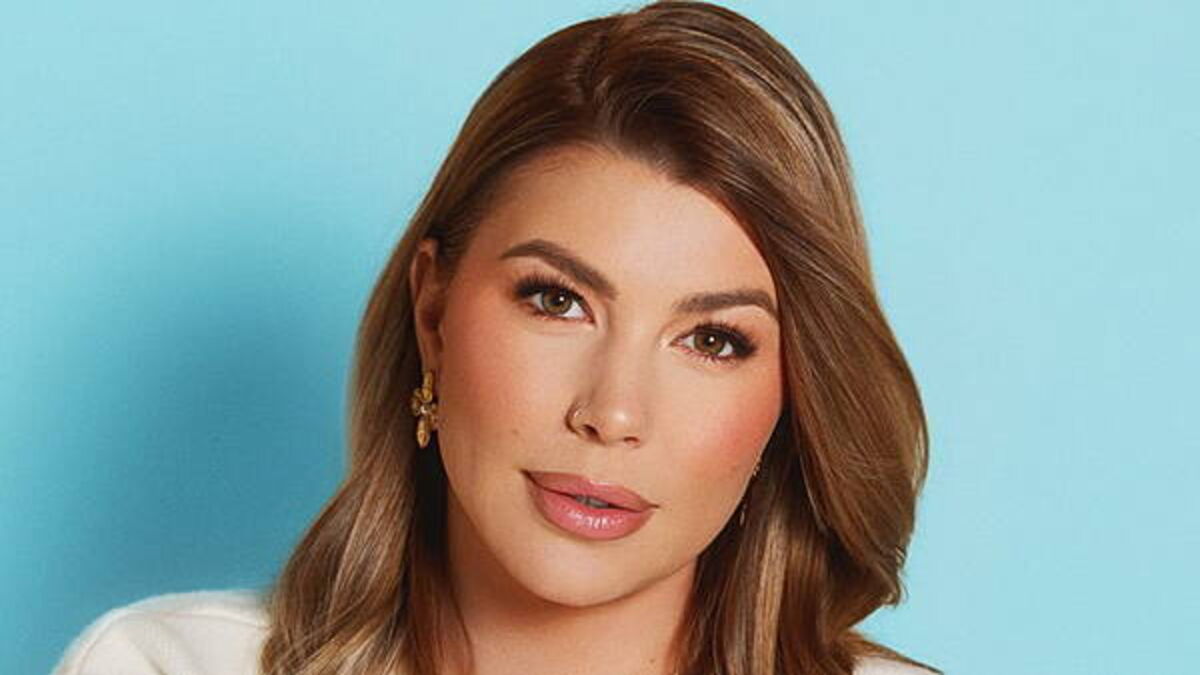
Two traumatic birthing experiences and the loss of a baby through Vanishing Twin Syndrome prompted Love Island’s longest-lasting couple Olivia and Alex Bowen to make the decision not to have any more children.
Olivia suffered complications with the birth of their second child, Siena, including a collapsed cervix and prolapsed bladder, and a major haemorrhage after a C-section, losing 2.8 litres of blood.
So traumatic had the experience been for both of them, coupled with the loss of a twin through Vanishing Twin Syndrome, that Alex later had a vasectomy, Olivia told the Press Association.
“Me and Alex definitely won’t be having any more kids,” she says plainly. “He had a vasectomy because of that.”
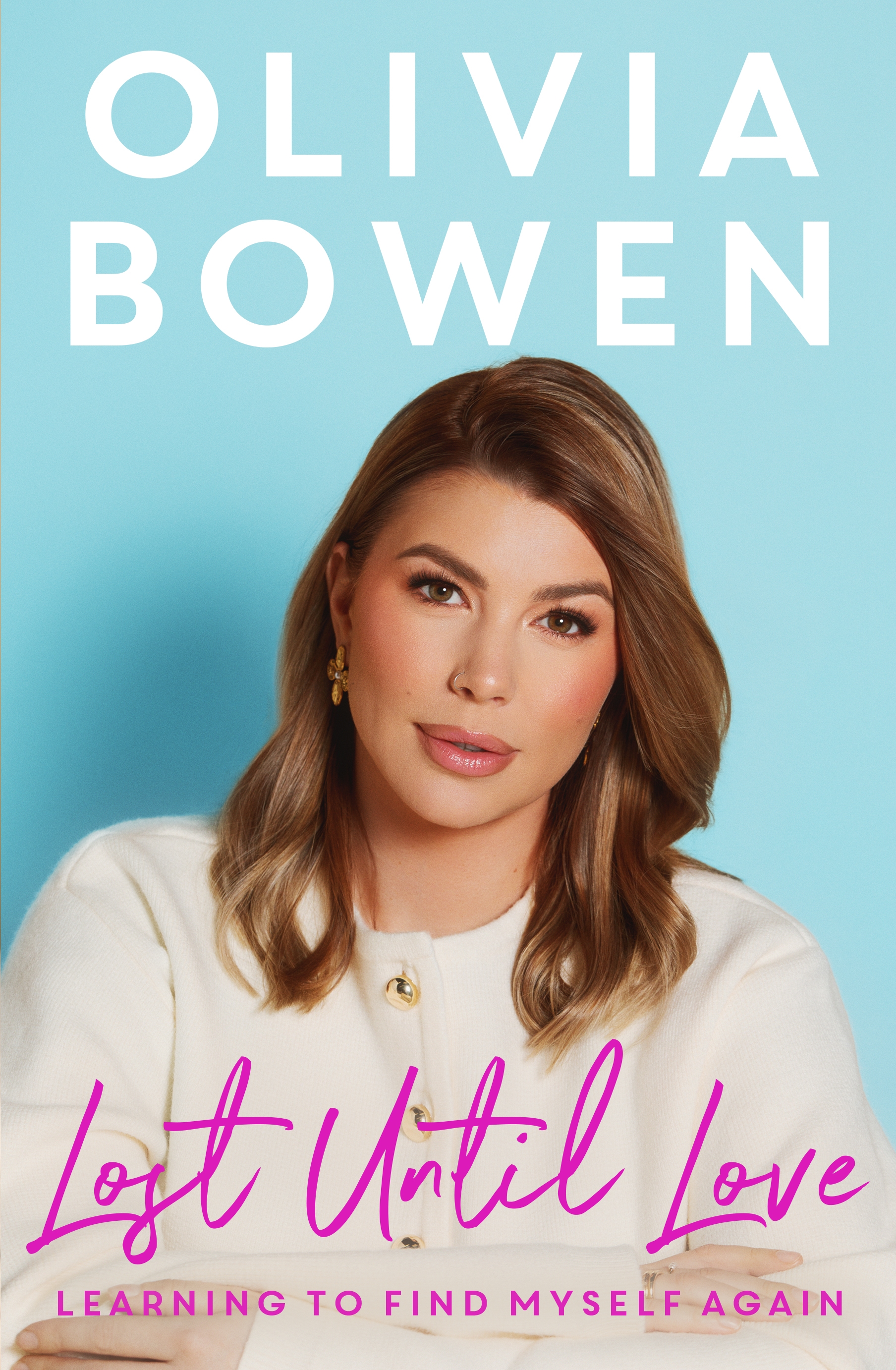
Some 10 years after appearing in Love Island, Olivia, 32, co-star of the six-part ITV2 reality series Olivia & Alex: Parenthood, charts the distressing experiences in her new book, Lost Until Love, a love letter to her younger self and a reflection on her life.
In it she talks candidly about her experiences with anxiety, self-harm and the impact of losing a twin baby. She emphasises the importance of therapy, medication and exercise in her mental health journey.
While she clearly adores her children, in the book she highlights the fact that not all birthing experiences are positive.
Olivia suffered post-natal depression after her son, Abel, now four, was born not breathing following a 38-hour labour. Although he was only taken away for a couple of minutes while nurses worked to clear his airways, Olivia describes it as “the longest two minutes of my entire life”.
The couple also went through the trauma of Vanishing Twin Syndrome, where she was pregnant with twins until one died during early pregnancy, to be gradually absorbed by her body. Siena, their daughter, is the surviving twin.
“We couldn’t process all the emotion, being so happy because we could see that one little baby thriving, and yet there was one next to it that wasn’t alive,” she writes in the book.
Today, she reflects: “I just don’t think I could ever deal with that again – I’d be too scared – and we’re so lucky to have two healthy children. We feel abundant with them both.”
“I think Alex really struggled with both births,” she continues. “It was very traumatic for him to see me almost die in the second birth. The first birth was awful for him, with Abel not breathing.”
Her mental health suffered after Abel was born, she acknowledges, as she made the transition to motherhood.
She suffered post-natal depression and slipped back into self-harm, something she has found difficult to talk about until now.
“I ended up slipping back into depression, slipping back into old habits and I had to go back to therapy,” she remembers.
The decision for former scaffolder Alex, 34, now a fitness coach and DJ, to have a vasectomy was a joint one, she explains, and they had been talking about it when Olivia was pregnant with Siena, a decision cemented when she lost the other twin.
After talking about her Vanishing Twin Syndrome experience on ITV’s Loose Women last year, she received an overwhelming response from women who had gone through the same thing, she recalls. It helped spur her decision to write the book, a frank, open account of her experiences which she hopes will help others.
“I’ve been through some things that I feel if I speak about them it would help alleviate shame and maybe gain some courage for other men and women to speak about their issues,” she says.
“It’s not that I think I’m a guru and I’ve got it all worked out, because I still don’t – I still have really bad days. But I’ve been through things like self-harming, disordered eating and I’ve got this huge platform – so how many people could I help?”
Social media star Olivia, who has 2.9 million followers on Instagram alone and a string of collaborations, has also forged a path as a property developer and interior designer. She has been married to Alex, a fitness trainer, for eight years and the couple remain Love Island’s longest-standing success story.
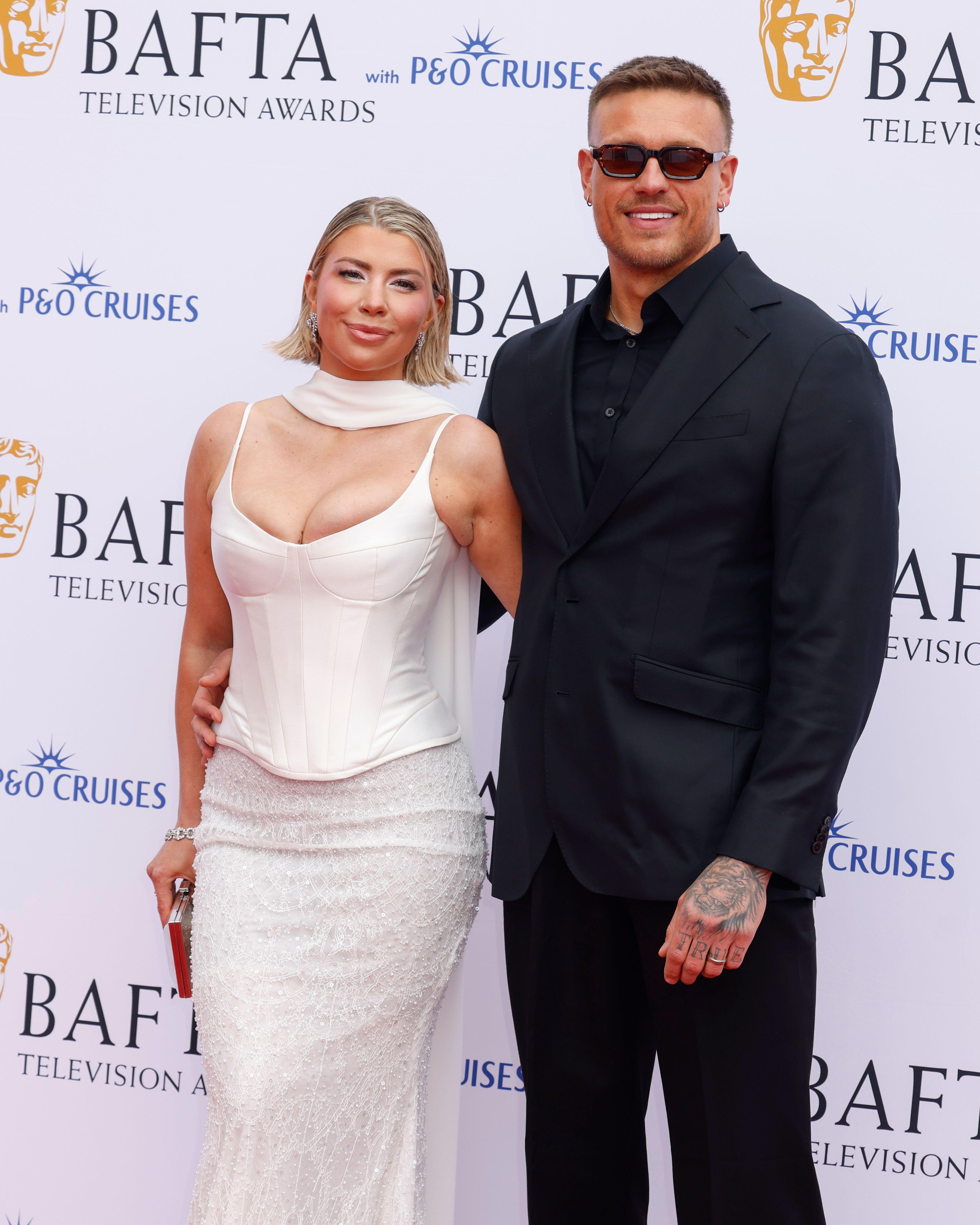
“We know we just want to be together forever,” she beams. “We know we have to work at it.”
The couple are dividing their time between the UK and Spain, where their villa, a two-and-a-half year project, is now completed – but her wider family is keeping her from making the move to Spain permanent.
“That’s the one crux that I just can’t get over. It’s a lovely way of life, but we’ve found a school for Abel (in England) and we’ve got family at home and I think it’ll be nice if we can flit between the two.”
While her life now may seem Insta-idyllic, her early years were peppered with family disruption. Her parents divorced when she was 10 and she experienced intense sadness at school, depressive episodes which spiralled into anxiety, an unhealthy relationship with food, and self-harm, which has returned at stressful times in her life.
She recalls burning her hands with lighters after she left Love Island and has had therapy at different times in her life.
As a teenager, she fell in with the wrong crowd, partied hard and drank heavily, developing anxiety and with it an unhealthy relationship with food.
She also fell into unhealthy relationships, both within herself and with others, enduring toxic relationships and emotional domestic abuse, barely able to hold down her job.
Just when her boss was about to fire her, Olivia applied to be a contestant on Love Island – and the rest is history.
Does she ever feel that her life isn’t her own because of all the exposure on reality shows?
“It’s 10 years of my life where I grew up in the public eye. I was only 22, and it’s like the norm for me. I’m a very open person, so for me it really works as a job.”
What about social media trolls and negative comments?
“You really do need to control your own feed to make you feel good. Not everything is meant to be seen by you and if someone’s upsetting you, block them. If something’s not connecting with you, get rid of it.”
She now recognises her anxiety triggers, when she feels emotionally out of control.
“I go into myself, I go very numb, I become very tired and sluggish and just want to hide away. You become a shell of yourself,” she explains. “I just didn’t want to get out of bed, or brush my hair or brush my teeth.”
Olivia says she’s been on and off medication for years, has therapy when she needs it and exercising gives her a massive boost. She goes to the gym four times a week and runs once a week, which gives her time to think about herself, she says.
And, of course, Alex is there to support her.
“When we spend time together, we laugh till our sides hurt. We know that we absolutely adore each other. It’s less about keeping the spark alive for us, but just more understanding that there are peaks and troughs in life and we want to go through them together.”
Lost Until Love by Olivia Bowen is published by Blink Publishing. Available now