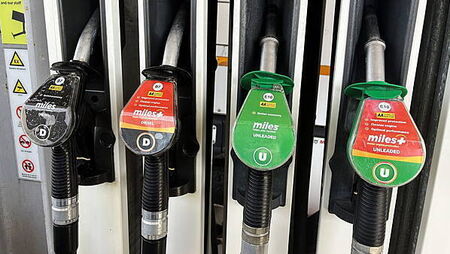
Fuel price cap ‘not free money’ and would cost billions, says Simon Harris
By Grainne Ni Aodha, Press Association
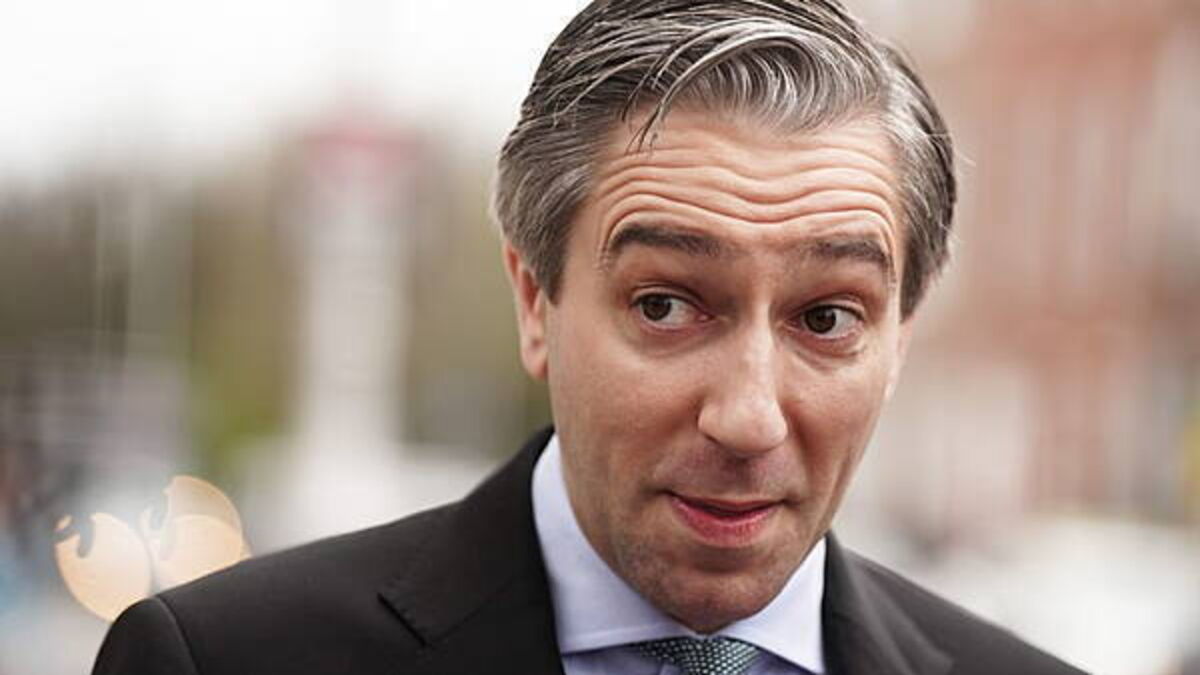
A cap on the price of fuel would cost “many, many billions”, Minister for Finance Simon Harris has said as he defended Government action on the fuel crisis.
The Government has been accused of “not listening” to the public amid fuel protests and blockades of Ireland’s only oil refinery last week.
Tánaiste Simon Harris said that while €750 million of support from the Government was targeted at some sectors, it also “helps everybody”.
He showed the Dáil chamber a graph comparing the value of government support to other measures across Europe.
Where's the common sense in all of this? Have you learned nothing over the last week?
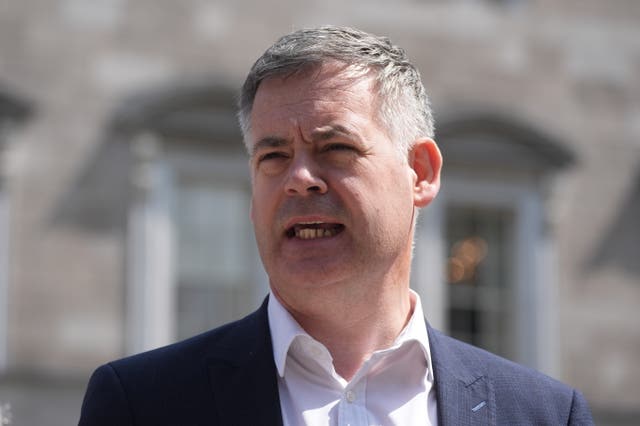
Sinn Féin finance spokesman Pearse Doherty said the fuel crisis “isn’t abstract, it’s immediate” and criticised the Government for not reducing the excise on home heating oil.
He said the Government “don’t get it” and do not understand the fear of an unpaid energy bill or the “quiet dread of a cold home”.
He added during Leaders’ Questions: “There’s a complete lack of urgency, of empathy, a lack of basic understanding from your Government, because what we’ve seen is just not inaction – it’s a pattern of behaviour, Tánaiste, a pattern of behaviour that poured fuel on this crisis.
Speaking about protesters who joined demonstrations, Doherty said: “Now, adding insult to injury, many of those same workers are returning home to find parking fines landing through their letterbox. This is the wrong response.
“It’s a response that punishes people who are already pushed to the brink. People who didn’t have money last week, and now you’re asking them to fork up hundreds of euro in parking fines.
“For goodness sake, where’s the common sense in all of this? Have you learned nothing over the last week?”
Harris said it had been a “very challenging” week for the country, and the Government was working to address “real” pressures faced by people amid global uncertainty.
“This Government, on behalf of the people of Ireland, has taken action. That means this is one of the very largest packages in the European Union,” he said.
He said everyone would benefit from the energy package and it would have a “positive effect” on inflation.
He added that he had examined a Sinn Féin proposal to put the carbon tax back to 2023 rates, and backdating the reversal to the first of May, but was told that Revenue had warned it could result in “an unjust enrichment of suppliers, substantial administered burdens and unanticipated Exchequer costs”.
“This isn’t a matter of a matter of a lack of empathy. It’s a matter of making sure that the solutions we come up with together are practical and are workable,” he said.
People Before Profit TD Paul Murphy said trade unions “need to take heed” and “a new phase of militant protest is needed”.
“Workers don’t need tractors to force the Government to listen. The most effective form of disruptive protest is the strike, a power that all workers have,” he said.
Harris said many people leading the protest “oppose and abhor everything you’ve stood for”.
“It does worry me slightly, though, that you’re willing to, perhaps, adopt common cause with people who actually abhor much of what you champion.
“I think you actually see the bigger prize as mass protest, and I think that merits reflection.”
Murphy said he makes “no bones about supporting effective protest”, adding that the core demand from the protests was price caps, which People Before Profit had called for before the fuel protests.
“We won’t allow ourselves to be intimidated from supporting those protests by the presence of some far-right agitators with their own agenda who are simply trying to hijack and misuse people’s anger,” he said.
Harris said of a fuel cap: “We don’t believe they work.
“We believe it transfers the cost from the forecourt to the taxpayer. It doesn’t disappear. It just transfers the cost.
“And we believe it has very significant budgetary implications in terms of the delivery of public services, because it doesn’t actually reduce the cost – it just transfers the cost from the forecourt to the taxpayer. It’s not free money.
“It has a real impact, and it would cost many, many billions.”