Kildare business ordered to pay out €1,600 to former employee
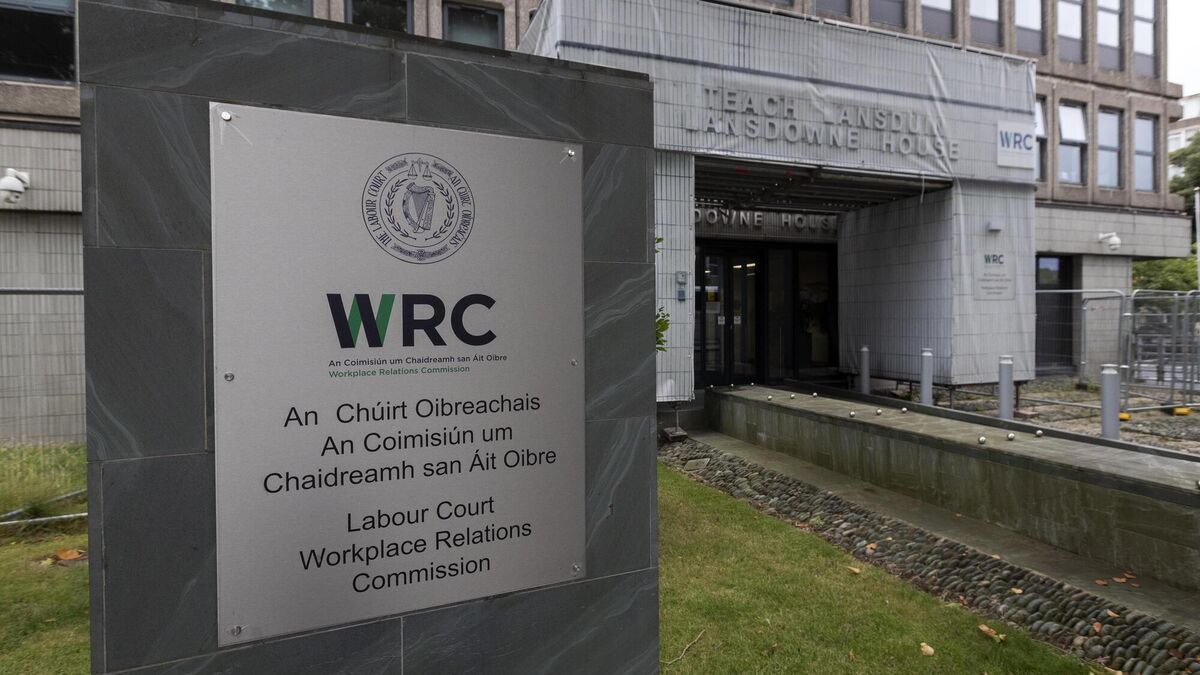
Photo for illustrative purposes only
A FORMER employee of a Naas wellness business has been awarded €1,607 after The Work Relations Commission (WRC) found breaches of employment law.
In a decision published by the WRC, Adjudication Officer Bríd Deering upheld several complaints brought by Rebecca O'Neill against Patrick Finlay, trading as Sli Beatha Floathouse.
Ms O'Neill, who worked part-time for the business from September 2019, alleged a number of complaints, which included the employee not receiving the adequate rest hours between shifts and adequate breaks during shifts, as well as not receiving a written terms and conditions of employment during her time working for the business, among other unfounded complaints.
The WRC upheld these complaints under the Organisation of Working Time Act.
Ms Deering accepted evidence that Ms O'Neill did not always receive the statutory minimum of 11 consecutive hours' rest between some Thursday evening and Friday morning shifts. While specific dates could not be identified, the employer acknowledged the rest period may occasionally have been reduced to 10.5 hours. Ms O'Neill was awarded €350 in compensation for the breach.
A second complaint relating to statutory work breaks was also upheld. Although the adjudication officer noted that Ms O'Neill had flexibility in taking breaks and could use the company's float and sauna facilities during quieter periods, the employer was unable to provide records demonstrating compliance with the legislation. Compensation of €150 was awarded in relation to that complaint.
The largest award arose from the employer's failure to provide written terms and conditions of employment. The WRC found that Ms O'Neill worked for more than five years without receiving the written statement required by law.
Although employment terms were eventually provided in December 2025, Ms Deering found the breach continued until that date and awarded the maximum available compensation of four weeks' pay, amounting to €1,107.
A complaint concerning Ms O'Neill's return to work following a foot injury in 2024 was not considered, as it was lodged outside the statutory six-month time limit for bringing complaints.
The WRC also rejected claims that Ms O'Neill should have received four weeks' notice before being placed on temporary lay-off in October 2025 and that the employer acted incorrectly in subsequently moving her onto short-time working arrangements.
Ms Deering found that the Minimum Notice and Terms of Employment Act applies to notice of termination of employment rather than temporary lay-off measures and concluded that no breach had occurred.
A significant aspect of the case centred on Ms O'Neill's claim for a statutory redundancy payment after being placed on lay-off and short-time working due to a downturn in business.
The employer disputed the claim and issued a statutory counter-notice, arguing that the reduction in work was temporary and that normal operations would resume.
Ms O'Neill contended that the employer was required to guarantee her normal contractual hours for 13 consecutive weeks. Mr Finlay argued that the legislation only required him to show she would return to a period of employment during which she would not be on lay-off or statutory short-time working.
Following an analysis of the legislation, the adjudication officer sided with the employer and her redundancy claim was therefore rejected.
Overall, Ms O'Neill was awarded €1,607 in compensation for breaches of working time and employment information legislation, while her claims relating to redundancy, minimum notice and sick leave were unsuccessful.