Mercosur threatens the fabric of rural Ireland, says youth organisation
Ottoline Spearman
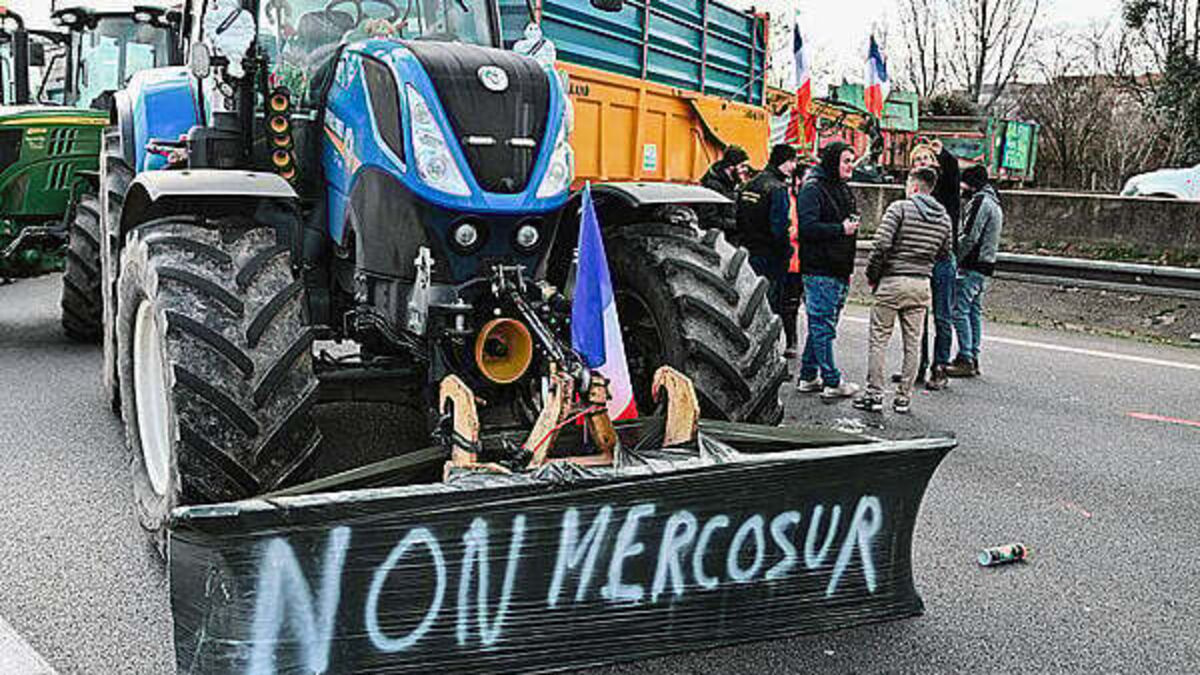
A rural youth organisation has criticised the Government for the lack of a clear and decisive position on the Mercosur trade agreement, expressing concern about the potential ramifications on Irish agriculture.
President of Macra, Josephine O’Neill, said that the agreement poses a "very real threat to Irish farmers, particularly to the beef and poultry sectors that are already under immense pressure”.
“Allowing increased imports of agricultural produce from countries operating to vastly different standards undermines the livelihoods of family farms and weakens the integrity of Irish and European food production,” she said.
Ms O’Neill highlighted that Irish farmers are held to some of the highest environmental, animal welfare, and traceability standards in the world, while Mercosur countries are not required to meet equivalent criteria.
“This is not a level playing field. Irish farmers are being asked to do more every year, more regulation, more compliance, more environmental ambition, yet they are expected to compete with imports produced to standards that would not be permitted here,” she said.
Macra is particularly concerned about the long-term impact the agreement could have on young farmers and rural communities, who are being "encouraged to invest in their futures", while "trade deals like Mercosur send the opposite message; that their efforts and standards can be undercut overnight”.
“This threatens not only farm viability but the social fabric of rural Ireland,” Ms O'Neill said.
She also criticised the lack of clarity from the Government, saying that farmers and rural communities deserve transparency and leadership.
“To date, the Government has failed to take a strong, unambiguous stance against this agreement. Warm words of concern are not enough. Farmers need to know whether their Government is prepared to stand up for them at European level.”
Macra is calling on the Government to clearly oppose the Mercosur agreement in its current form and to prioritise the protection of Irish agriculture, food standards, and rural livelihoods.
“Trade policy must be coherent with our climate goals, food safety standards, and the future of family farming," Ms O'Neill said. "Anything less is a failure to rural Ireland.”