Nearly 2,000 complaints to Uisce Éireann saying water made customers ill
Ottoline Spearman
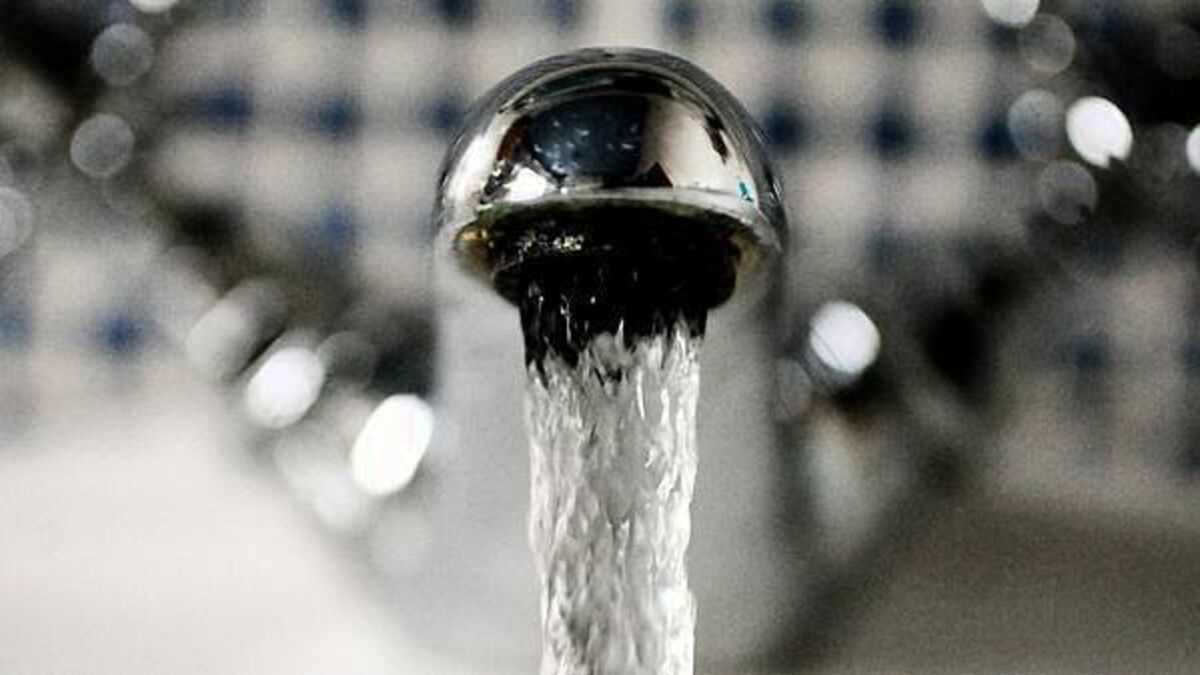
Nearly 2,000 complaints were made by customers to Uisce Éireann over the past four years, claiming that the water quality had made them ill.
Records released under Freedom of Information laws show that a further 1,728 complaints were made by customers in relation to water discolouration, with 458 complaints about general water quality.
In total, between January 2022 and December 2025, a total of 7,264 complaints were made across the country by customers to the water provider.
General water quality complaints have increased over the four years, starting at 101 in 2022 before rising to 126 in 2024 and 140 in 2025, despite this year’s figures only covering January to the end of November.
A spokesperson for the HSE said they "recognise that increases in monitoring may lead to increased detections".
"Where the HSE has been consulted in respect of particular supplies, it has provided the necessary health advice and requests that the consumer be informed by Uisce Éireann.
"Complaints relating to illness from sources are assessed by the HSE on a case-by-case basis in order to ensure the protection of human health."
Uisce Éireann said: "The total number of complaint cases from customers reporting that they suspect their illness is caused by drinking water... does not represent actual proven illnesses caused by drinking water."
They also said that none of the complaints resulted in "verified" cases of illness.
The water provider said that over 99 per cent of Ireland’s drinking water supplies are fully compliant with drinking water standards and that they have an "extensive water quality monitoring regime in place".
In addition, the figures released under Freedom of Information laws show that water outages have increased sharply - from 570 recorded outages in 2022 to 769 in 2024, before rising again to 796 by the end of November this year.
Boil-water notices also spiked to 107 nationally in 2023, dropping to 51 in 2024 and 50 by the end of November 2025.
In relation to boil water notices, Uisce Éireann said that the priority is the "protection of public health", and that notices will only be issued after consultation with the HSE.
They said that the number of boil water notices has "dropped significantly", and that most of the notices imposed in 2023 were in place for less than 30 days.
"Over the last six years, Uisce Éireann has made enormous strides in identifying and addressing risks to public drinking water supplies," a spokesperson said.
"Many of these risks existed for years but only came to light due to the more robust testing and sampling regimes that we have put in place."
The scale of disruption to the nation's water is also not evenly spread. Co Cork has repeatedly recorded some of the worst conditions, with 84 outages and 41 water-related illness complaints this year alone, while South Tipperary recorded 89 outages, the highest of any local authority area to date.
In Dublin, customers in Dublin South County have reported 58 outages and 13 taste or odour complaints, while Dún Laoghaire–Rathdown residents made 32 illness-related reports, along with dozens of complaints of discoloured tap water.
Some counties have seen repeated issues over several years. Co Clare, for example, logged 31 discolouration complaints in 2025, following 35 in 2024. Complaints linked to taste remain lower overall, but have been rising in places such as Co Galway and Wicklow, where customers logged 7 and 18 complaints respectively in the last year.
A spokesperson for the water provider said: "Any exceedance to the drinking water regulations that could potentially impact public health is reported to the Health Service Executive (HSE) for their awareness and advice.
"Uisce Éireann is committed to delivering the best service possible in this regard, with the most recent data from the CRU showing that the vast majority (98 per cent) of complaints were resolved within regulated timelines."
Uisce Éireann also said that customers are entitled to a €30 payment if the water provider fails to meet their commitments.