Stronger regulation of vape products urged after synthetic cannabinoids found
By Cillian Sherlock and Cate McCurry, Press Association
There have been calls for stronger regulation around the sale of vape products in Ireland after high-risk synthetic cannabinoids were found in products in shops.
The substances are linked to “serious physical and mental health harms”, including psychosis, loss of consciousness, and severe intoxication.
Concerns have been raised around the mislabelling of vape products sold in shops and online, as research found substances were not displayed on the packaging.
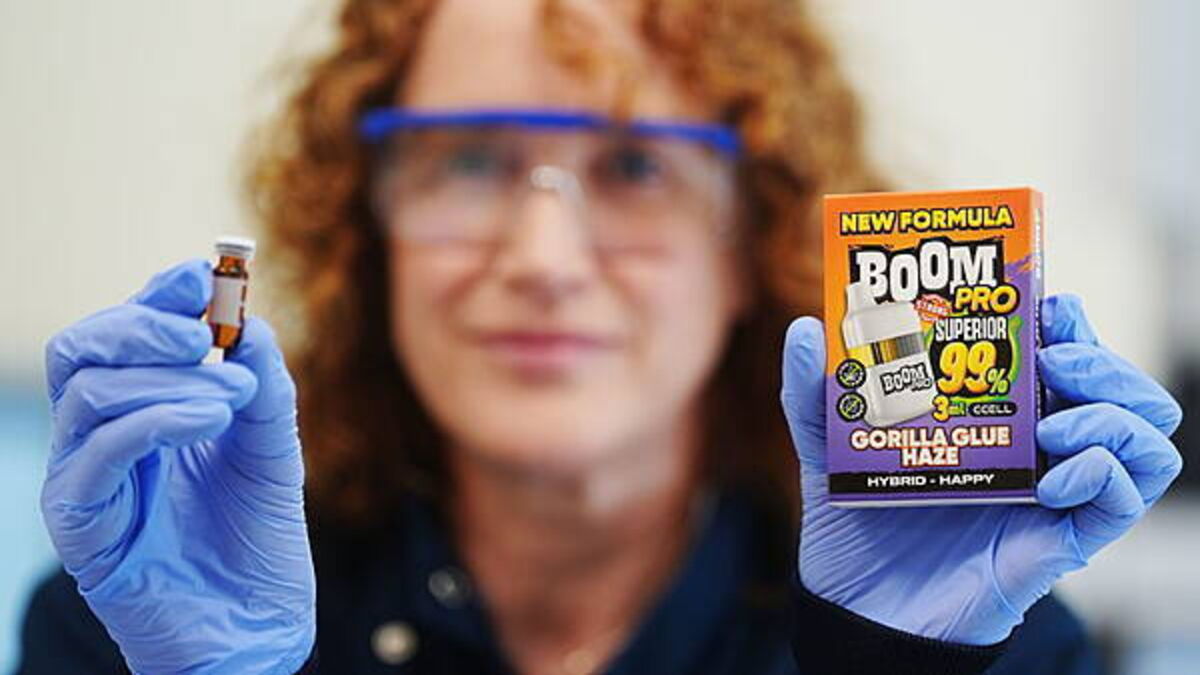
The HSE’s national drug treatment centre lab has identified the cannabinoids in vapes, vape “juice” and edible products in shops and the illicit market.

A total of 76 vapes or vape juice products have been analysed to date in 2026 and 28 contained HHC or related compounds such as semi-synthetic cannabinoids.
Eight contained potent synthetic cannabinoids while 10 had an acetate-containing compound linked to lung disease.
A dozen had cannabis or related compounds while 41 contained CBD.
Prof Eamon Keenan, HSE national clinical lead in addiction services, said new synthetic cannabinoids and semi-synthetic cannabinoids are more potent than traditional cannabis.
“When I say they are more potent, that means they’re more likely to cause harm and problems associated with their use,” he said.
“These 76 vapes are a mixture of vapes which are being sold in shops, from online and from the black market.
“We had 10 products that contained acetates, and acetates are a specific chemical that’s been associated with lung damage in the United States.
“Semi-synthetic cannabinoids and synthetic cannabinoids are equally dangerous.
“In relation to the concerns we have around the health effects of these products, the fact that they’re being sold in shops and misnamed.
“If you take some of these products when you look at them and it says CBD, but when we analysed it, we were able to identify that in addition to maybe CBD, it also had cannabinoids. That’s a real concern for us and it’s a real concern in terms of the regulatory aspect around these shops.

“Some of them are even being sold as psychoactive substances, and really we want people, first of all vendors, to be responsible about what they’re selling. We want parents to be aware about these vapes and young people then also to be aware about the contents and the risks associated with these vapes.
“We would be calling for a group to be set up of the relevant stakeholders and that includes the Department of Health and the Department of Justice, because they are responsible for the Misuse of Drugs Act and the Psychoactive Substances Act.
“But we also need the HPRA (Health Products Regulatory Authority), Food Safety Authority because there are edibles involved here. As well as environmental health and consumer protection need to look at what’s going on, what’s being sold, and how we can define the roles and responsibilities in relation to these products.
“Things are changing in Europe but at a sort of frightening pace.”
A total of 57 new products were identified in Ireland between 2021 and 2025.
“These are products that have never been seen before,” Prof Keenan said. “They’ve been identified through our lab, or through forensic science, so it shows you the amount of these new products that are there, how hard it is for authorities to keep up to date.
“That’s why we need to have legislation that’s agile enough to be able to deal with these new psychoactive substances as they appear.
“They have no specific remit around CBD, but somebody needs to have a specific remit around these substances.

“We know that if you go into a supermarket everything that we buy in a supermarket has to be approved and regulated, but in these vape shops, who is identifying what is in the contents of these CBD products and who is monitoring them?
“There’s no test purchasing, we don’t have a budget to do test purchases, and if we were doing test purchases, it would have to be done in the systematic way and you’d need a significant budget.”
Nicki Killeen, HSE emerging drug trends manager, said: “There’s such diversity in the market and there’s so many different user groups who could be exposed to these cannabinoids.
“We are aware of young people using the same vape product as people in our addiction and homeless services.
“We suspect that there’s a huge infiltration out of synthetic cannabinoids based on the work, the feedback that we’re hearing, but also what Europe is seeing.
“These substances are very potent, and they can lead to mass outbreaks.
“Each shop, each online space will have different products and they can contain different contents.
“It’s very difficult for us to pinpoint the harms. But we would like more analysis so we can look at identifying the range of substances because there could be a range of new substances that we’re not yet aware of.”