There's something about Ballitore's Mary
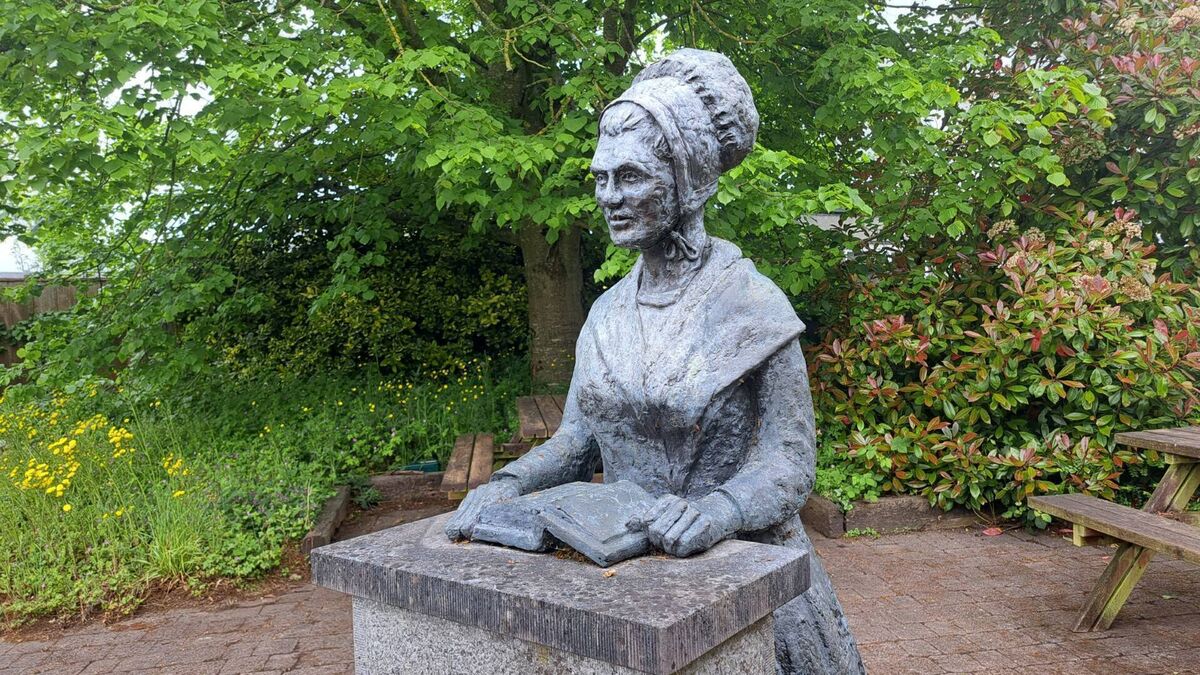
Mary Leadbeater statue in Ballitore
THE VILLAGE of Ballitore will soon celebrate the 200th anniversary of the death of famous, multi-faceted Quaker poet, writer, postmistress and herbal woman, Mary Leadbeater.
Mrs Leadbeater née Shackelton, who was born in 1758 and who died in 1826, was and still is a very important historical figure in Kildare, for her refreshingly different attitude towards Irish peasantry and to settled life in Ireland at the time.
She was, after all, part of a Quaker settlement in the town of Ballitore – a religious culture known for their strong beliefs in equality and pacifism.
Her grandfather, Abraham Shackleton (descendant of Ernest Shackleton) emigrated to Ireland in1726 to became a tutor for two nearby families, and opened the Ballitore Boarding School in the same year.
Mary was an active community figure who served the village as the local postmistress, which put her in communication with all walks of life. She was also a highly skilled herbalist who frequently treated sick local labourers and their families free of charge.
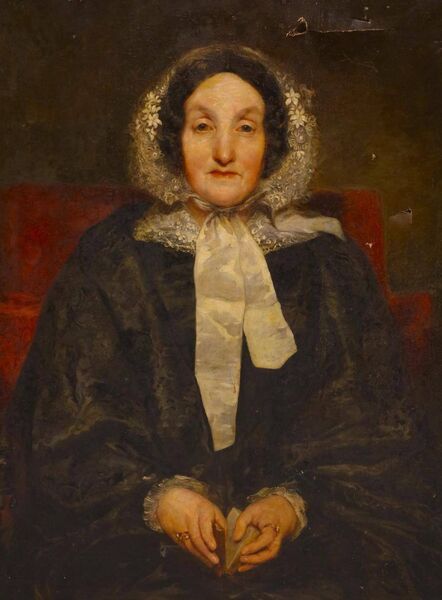
The fact we still revere an eighteenth century woman today is testament to her influence and her tireless work in the community, as most women of the time have been largely forgotten, along with their stories which have been ill-preserved.
Leadbeater was definitely not letting that happen to her, as she negotiated and saw many of her major texts through to printing.
Her life-long diary was posthumously published by her family, which was said to be a dying wish of hers.
Mary’s life is heavily documented through diary entries from age 7 until the week before her death at age 64. Not only is her entire life documented, but so is the life in Ballitore that surrounded her at the time – including the many vivid characters, places and important events of her time.
Leadbeater’s accounts of life in Ballitore in the eighteenth and nineteenth century are probably one of the most valuable historical resources of her time and place.
Her diaries tell so much about the attitudes of the people who surrounded her, the customs and traditions of the Quaker and Irish communities, the general spirit and activity in the village, all the way down to geographical accounts of weather patterns and first-hand accounts of historical events.
One section of her published diary ‘The Annals of Ballitore’ document Mary’s experience of the trauma of the 1798 Rebellion in Ballitore.
Her accounts document the destruction of the village by British military, including public whipping of local suspects, imprisonment, cannon fire into local buildings and homes, as well as the looting and burning of local homes.
Her diary also documents executions of neighbours such as Dr Johnson, a local doctor who attempted to persuade the rebels to turn back and preserve peace at the beginning of the rebellion. However, despite his neutrality and efforts to stop the violence, incoming British soldiers shot him dead in the street.
Leadbeater wrote about his death in The Annals, and said: “His once grateful form and intelligent countenance were disfigured with more than the horrors of death.” Mary used her privileged position in society to help others, often offering support to the Irish peasantry and publicly advocating for better living conditions of the Irish community. She also wrote in defence of the Irish who were believed to be savage by the British elite at the time.
She often praised the natural intelligence, resilience, strong family loyalty and hospitality of the Irish poor. In the notes to her book, ‘Cottage Dialogues among the Irish Peasantry’, she also points out the complexity of the Irish language and sharp wit and humour among Irish people, which she saw as indications of an intelligent and advanced culture.
Mary was also a human bridge between the settler community and the Irish, often advising people against superstition and educating them on the importance of vaccines for protection against the rampant disease of the time, smallpox.
She stands distinctly separate from many of her contemporaries for how she gave a voice to the Irish through the many recounted experiences with community featured in her writings.
This might be why her influence has stood the test of time. She is remembered as a true embodiment of empathy, kindness and care during a time of political and social turbulence in Kildare.
Ballitore will celebrate her memory on Saturday 27 June with a series of heritage and cultural events, beginning with the unveiling of a new information sign at her grave in the Quaker burial ground at 1pm.
This will be followed at 2pm by the launch of a 200th commemorative edition of ‘Annals of Ballitore’ at Ballitore Community Library and Quaker Museum, including an address by author and Leadbeater expert John MacKenna.
The programme continues with an exhibition of contemporary art and crafts inspired by Leadbeater’s life at the Meeting House, hosted by The Thread Shed, where refreshments will be served and attendees are encouraged to wear vintage dress, with a prize for the best costume.