ICMSA calls for review of fuel support scheme
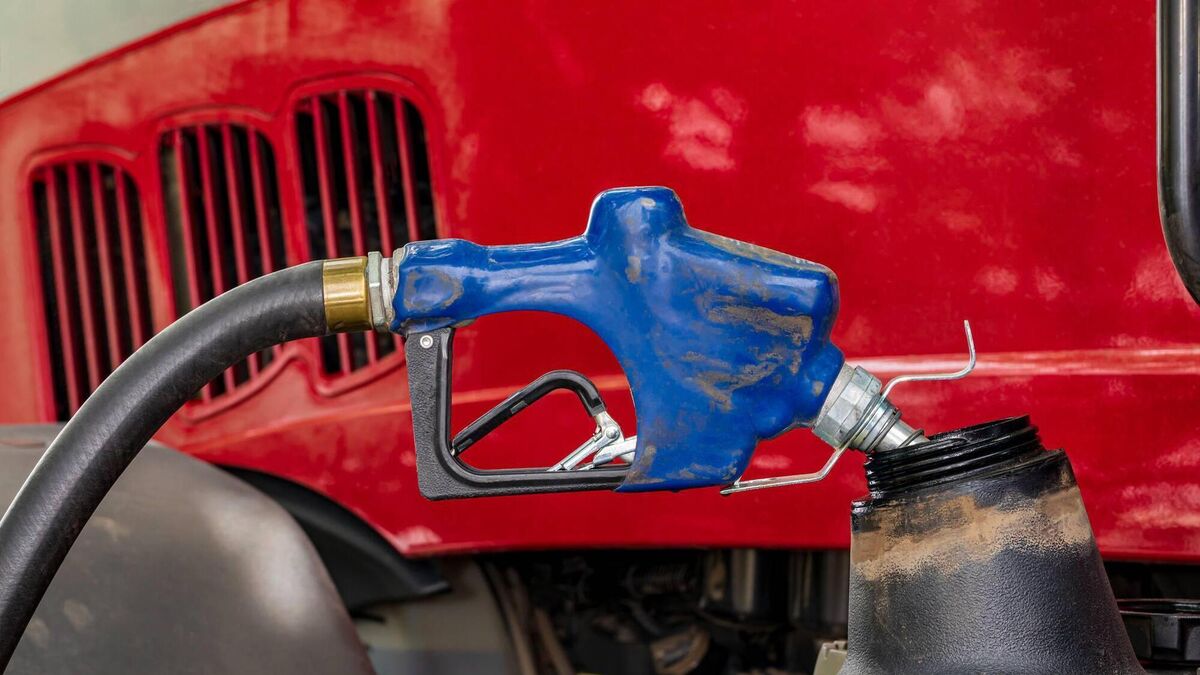
Photo for illustrative purposes only
THE Irish Creamery Milk Suppliers Association (ICMSA) has said the government’s fuel support scheme fails to recognise the significantly higher levels of fuel useage on farms during the March to July period.
President of the ICMSA Denis Drennan said the flat design of the scheme is based on five-twelfths of total fuel usage for the year.
However, he said the reality on most farms across the country is that diesel useage is much higher between March and July, which the support scheme should have reflected.
“Fuel usage is always considerably higher from March to July, particularly with silage, slurry spreading and other essential farm activities underway,” said Mr Drennan.
“We just think that this hasn’t been recognised and that, essentially, lower fuel usage during the ‘shoulder’ months of the year is artificially pushing down the average figure for the March to July period,” he added.
Calling for a review of the decision, Mr Drennan also cautioned that the remaining €58 million in the scheme must be retained within the farming sector.
“With the average farmer set to receive approximately €600, that money will be eaten up straight away. It is akin to a sprinkle of rain falling on my fields at the moment – it won’t make any substantial difference either way,” Mr Drennan said, adding that there is currently a “drought on farms and a drought in farmers’ bank accounts.”
Mr Drennan said that while the scheme design was straightforward and clear, meaningful measures are “desperately” needed to address the underlying costs of farming and to ensure that farm families can continue to operate into the future.
“The scheme design was clear and good, but the amount is nowhere near sufficient and the method of calculation was slipshod and incorrect,” he concluded.
In late April, the government unveiled details of a €100 million fuel support scheme for farmers and contractors to cover from March until the end of July.
The income support scheme was aimed at those most impacted by the sudden increase in the cost of green diesel.
Applicants were required to supply their fuel usage for 2025, based on receipted expenditure.