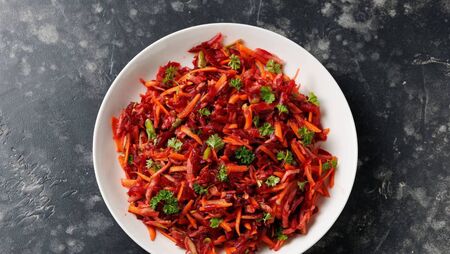
Why waistlines grew with convenience
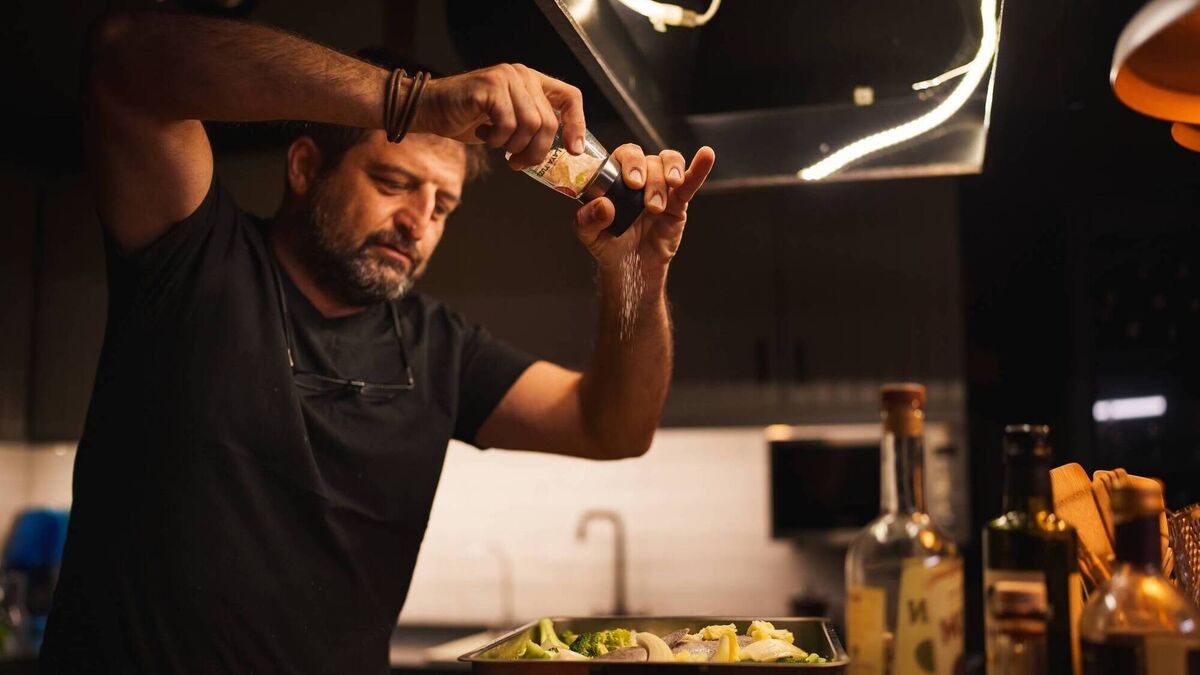
The healthiest ingredient in your kitchen is not organic or gluten-free
IF you were to step into an Irish kitchen in 1986, you would likely find a sack of Roosters in the press, a head of cabbage in the fridge, and a tin of beans in the cupboard.
If you step into that same kitchen in 2026, you will likely find a bag of pre-washed rocket, a pouch of microwave rice, and a cardboard box containing a "15-minute meal kit”.
On the surface, this looks like progress. Who wouldn't want more time and less peeling? But a deep dive into our weekly shopping receipts reveals a seismic shift—and it is one that public health experts are watching with growing alarm.
Back in the 1980s, the average Irish weekly spend on single-ingredient fresh fruit and vegetables was about €5.00 to €6.50.
Convenience foods—think tinned spaghetti, frozen chips, and instant mash—came in cheaper, at roughly €3.00 to €4.50.
In monetary terms, fresh produce was a luxury; convenience was the budget-friendly shortcut.
Fast forward to 2026, and the numbers have flipped with a vengeance. We now spend between €14 and €17 a week on fresh, whole produce. Meanwhile, our convenience food spend has ballooned to between €28 and €34 weekly. That is double the outlay. We are now paying a premium for the very thing our grandparents turned to for thrift: speed.
But this is not just an economic curiosity. This reversal is a smoking gun in the story of Ireland’s obesity epidemic.
The convenience foods of the 1980s were basic. They were high in salt and sugar, yes, but they were largely recognisable. Today’s "convenience" is a different beast entirely.
The ready-meals, protein bars, and sauce-laden stir-fry kits that fill our 2026 trolleys are typically classified as ultra-processed foods (UPFs).
They contain emulsifiers, modified starches, and flavour enhancers designed to hit the ‘bliss point’ — that irresistible combination of fat, sugar, and salt that overrides our natural satiety cues.
Here is the physiological punchline: your body processes an apple differently than it processes an apple-flavoured cereal bar.
Whole fruit and veg are packed with fibre, which slows digestion, stabilises blood sugar, and signals to your brain that you are full.
When you eat a convenience meal, the fibre has been obliterated, the sugar hits your bloodstream like a freight train, and insulin spikes to clear it.
Within two hours, your blood sugar crashes, you are hungry again, and you reach for another snack. This blood sugar rollercoaster is a direct pathway to insulin resistance and, ultimately, weight gain.
We are spending twice as much money on convenience, but we are also paying a hidden toll: loss of culinary skill.
In the 1980s, cooking was a default. You peeled, you chopped, you boiled.
That process was not just labour; it was mindful eating. By the time you had prepared a meal, you had invested physical energy and time, which created a psychological investment in the food.
Today, a pouch of pre-cooked rice takes 90 seconds. A ready-meal takes three minutes. The entire eating experience is compressed, often consumed in front of a screen.
Studies consistently show that the faster a meal is prepared, the faster it is eaten—and the more calories we consume before our gut has time to tell our brain we are satisfied.
There is also the ‘health halo’ effect.
In 2026, we believe we are making virtuous choices because the packaging is green and the marketing uses words like ‘natural’ and ‘wholesome’.
But many convenient fruit and veg options — like pre-cut fruit platters or smoothie packs — are actually higher in sugar per portion than a chocolate bar, because the cellular structure of the fruit is broken down, making the sugars more bio-available and rapidly absorbed.
The Irish Reality Ireland now has one of the highest obesity rates in Europe, with over 60 per cent of adults classified as overweight or obese. This trajectory directly correlates with our spending habits. As we have shifted our budgets from raw ingredients to processed solutions, we have outsourced our nutrition to food scientists who prioritise shelf-life and palatability over metabolic health.
The Reversal To reverse this trend, we need a cultural reversal. We do not need to live like it is 1986 — we have better varieties of veg, better storage, and better recipes. But we do need to re-learn that the effort of cooking is the price of health.
The good news? Spending €17 on fresh fruit and veg and cooking it from scratch — even if it takes 40 minutes — will fill you up, stabilise your mood, and keep your waistline in check.
Spending €34 on convenience foods will empty your wallet, spike your glucose, and leave you reaching for the biscuit tin by mid-afternoon.
The healthiest ingredient in your kitchen is not organic or gluten-free. It is the time you are willing to invest in chopping. Your body will thank you for it.