Home completions up 33% in first three months of year
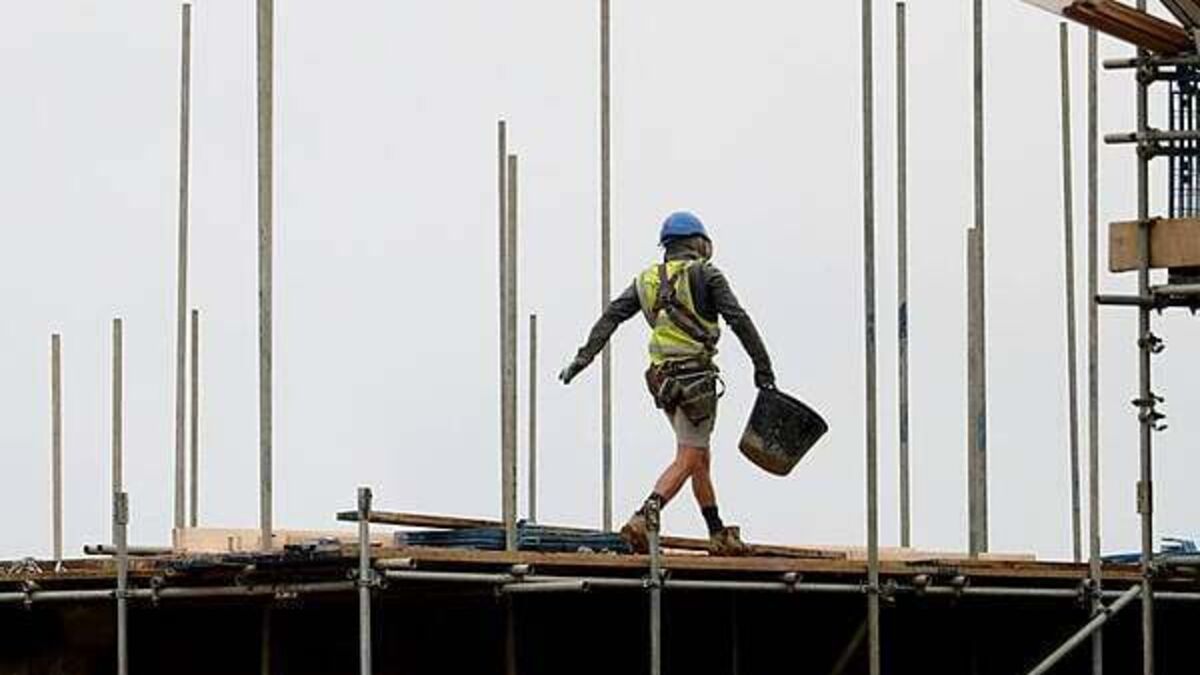
There were 7,856 new housing completions in the three months to the end of March this year, a 33 per cent increase on the same period last year and the highest number of completions in the first three months of any year since 2011.
According to figures from the Central Statistics Office (CSO), nearly a third of the completions were in Dublin, with less than a fifth in the surrounding counties of Louth, Meath, Kildare, and Wicklow. Clondalkin in Co Dublin had the most completions of a local electoral area (LEA) in the State, with 518.
Unsurprisingly, the vast majority of completions in Dublin city were apartments, accounting for 95.3 per cent. Total apartment completions were 2,355 nationally, up 33.3 per cent on last year.
All regions saw an increase in completions compared to the first three months of last year, with the largest relative increase in the Border counties - up 58 per cent - followed by the south-west - up 54 per cent.
The CSO uses new connections to the electricity network as the basis for statistics on new dwelling completions.
Welcoming the latest figures, Minister for Housing James Browne said the figures confirm the pace of homebuilding continues to move in the right direction.
"The record level of completions in the first quarter of this year, combined with more than 8,400 new homes starting construction during the same period, demonstrates real and sustained progress.
“This momentum is reinforced by other encouraging signs across the sector, including strong FirstâTime Buyer mortgage drawdowns, record levels of social housing delivery, and robust planning permission activity."
The Coalition has set a target of building 303,000 homes between 2025 and 2030, when its term in office is due to end. The headline target would mean delivering an average of 50,500 homes per year.
Davy's chief economist, Kevin Timoney, said the figures still fell short of their forecast of nearly 10,000 completions for the start of the year. "We think adverse weather conditions, especially in February, which saw an unusually high level of rainfall, explain the lower-than-expected figures, with one of the wettest Februarys on record.
"However, we continue to see a strong pipeline of new housing delivery this year and next, still supported by a high level of commencements in 2024 and subsequent policy efforts to address infrastructure shortfalls along with bottlenecks in housing delivery, including those related to delivery costs."
The latest CSO figures come as the Department of Finance warned prices for building materials are rising at their highest rate since October 2023. In a statistical release published earlier this week, it said the wholesale price of construction materials jumped by 1.8 per cent.
“This is the highest rate of materials inflation since October 2023,” the Department reported, adding that “upside risks have increased due to geopolitical developments”.
Meanwhile, the capital goods price index, which measures the cost of inputs and wages, was up 2.6 per cent.