Kildare Senator forgives man who threatened to kill him
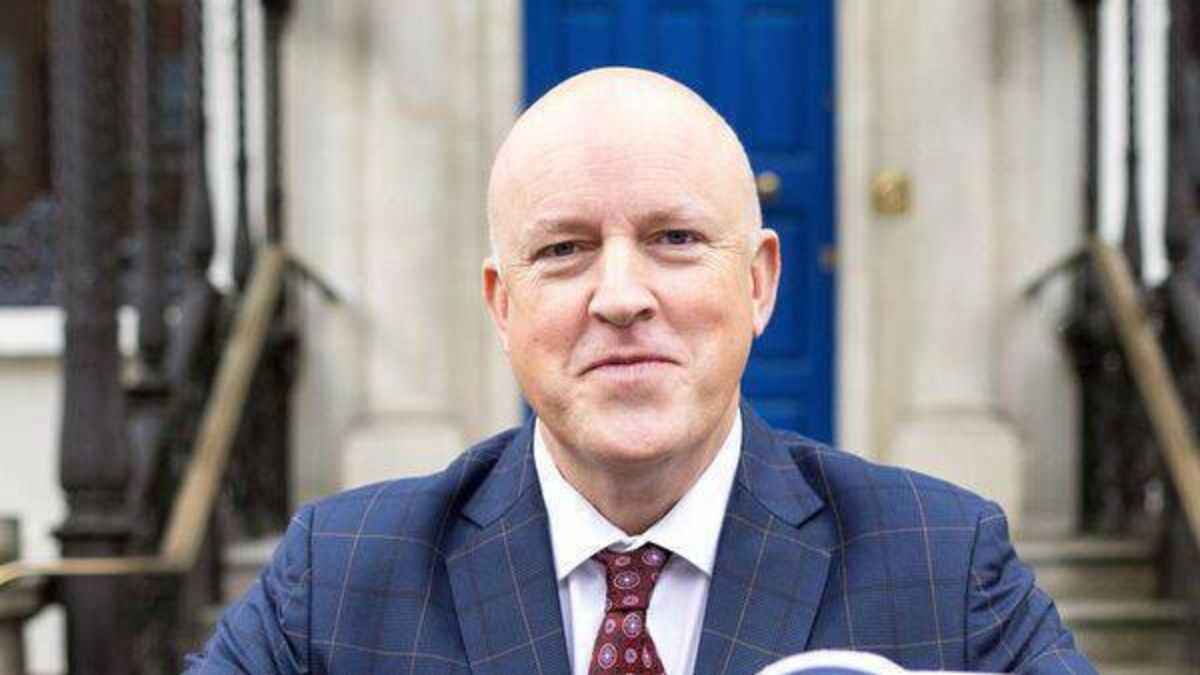
Seanad senator, founder and Chair of Tiglin and social entrepreneur, Aubrey McCarthy. Picture Jason Clarke
KILDARE senator Aubrey McCarthy has said he “holds no bitterness” towards the man who threatened to kill him, instead using the case to highlight what he describes as serious gaps in Ireland’s mental health system.
At Wicklow Circuit Court last week, Brian McCann (40) was sentenced to five years in prison, with the final three and a half years suspended, after pleading guilty to making threats to kill and engaging in harassment.
The charges relate to threats made against Senator McCarthy who is also founder of addiction and homelessness charity, Tiglin, and Philip Thompson, CEO of the charity.
The court heard that in February 2022, McCann verbally threatened to kill or seriously harm both men at the Tiglin centre in Ashford, Co Wicklow. He also posted threatening comments on the charity’s social media platforms.
The threats were deemed serious enough to require Garda intervention.
Despite the severity of the incident, the Punchestown native struck a compassionate tone in his victim impact statement, telling the court he held “no bitterness” towards McCann.
He said in his statement: “These threats did not just rattle a few nerves. They struck at the heart of our work. They shook our sense of security. They cast a long shadow over our daily lives, moments of looking over shoulders, checking doors twice, and wondering if we were safe simply doing our jobs.
“On the advice of gardaí, myself and the Tiglin CEO have had to install alarms, cameras and full-time surveillance at our residences.” He continued: “And yet, amid this fear, I found that the individual behind these threats was struggling with significant mental health and addiction issues. This doesn’t excuse the actions, but it does add important context.
“As a society, I believe that we need to do more not just in crisis, but long before people reach breaking point. Our mental health system must be stronger, more compassionate, and far more accessible.” Speaking to Kildare Nationalist after the case, Senator McCarthy explained that his response is rooted in his work with Tiglin, a charity supporting people affected by addiction, homelessness and marginalisation.
“It would be hypocritical of me to say ‘this guy is a bad lad, send him to jail forever,’” he said. “This could be my brother, my uncle.” The senator brought attention to what he described as a major failing in Ireland’s approach to “dual diagnosis”, where a person suffers from both addiction and mental health issues.
He explained that individuals presenting with both conditions often struggle to access appropriate care:
“If someone comes to us with addiction but is also hearing voices, we have to refer them to mental health services,” he said. “But when they present at A&E, they may be told it’s an addiction issue. They’re falling between two stools.” According to Senator McCarthy, this systemic gap means people like Mr McCann may not receive adequate support, either in prison, on probation, or in the wider healthcare system.
“The reality is this man will not receive the help he needs in prison or through probation services,” he said. “So how does he get healing? How does he get care?” The senator is now calling for a more joined-up approach between addiction and mental health services, alongside increased investment in early and crisis intervention.
Since the case concluded, McCarthy said he has been contacted by numerous families struggling to access support for loved ones with mental health difficulties.
“People are reaching out saying their brother or sister is in trouble because of their mental health,” he said. “You realise this is much broader than one case.” He also suggested that the issue has not received sufficient political attention.
“There’s no votes in it,” he said. “It requires people to recognise the need and act.”
In sentencing, the judge took into account Mr McCann’s mental health and addiction issues, opting for a partially suspended sentence to allow for treatment engagement.
However, Senator McCarthy believes the case ultimately highlights a deeper systemic failure.
“Prison is not the intervention,” he said. “We need to build a system that actually supports people before they reach this point.”