Locals gather for meeting on proposed Kildare solar farm
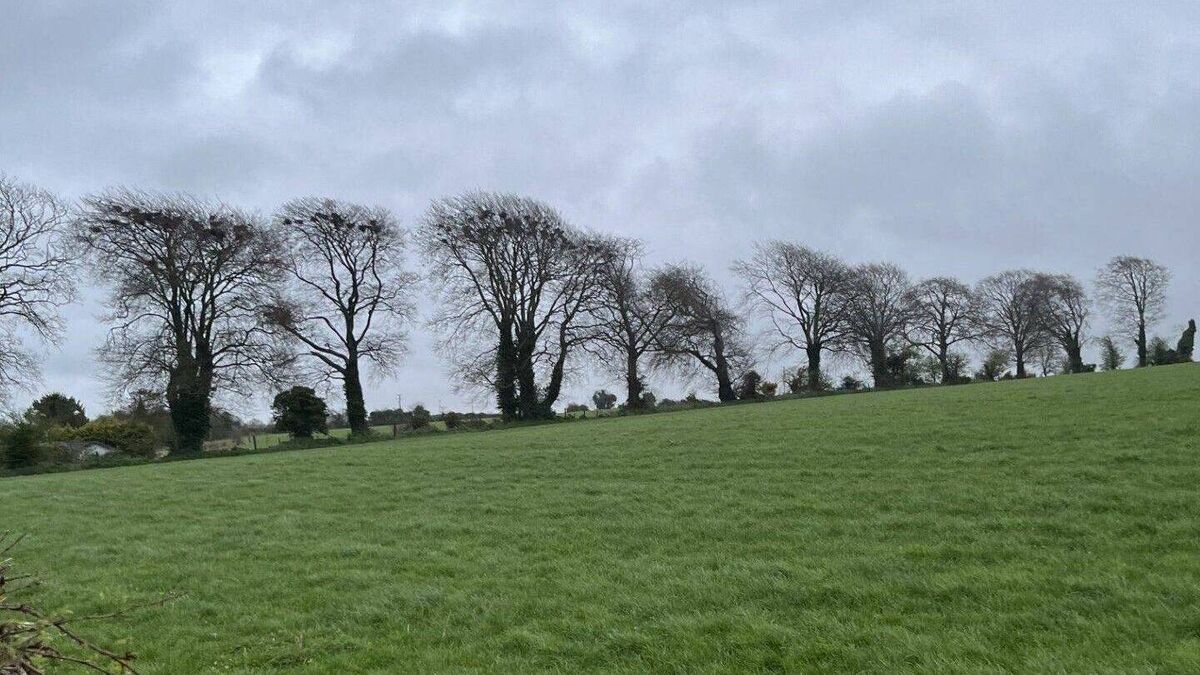
Field at Ballindrum
THE concerned locals of Ballindrum, Mullaghmast and surrounding areas were given a briefing recently on the project to install a 340-acre solar plant in the agricultural lands of the area situated less than 10 kilometres from Athy.
The briefing was given by Francis Gorman, a cybersecurity analyst who lives across the road from the proposed site. There was time for questions after the briefing and information was given on further workshops aimed at helping people to submit objections to the solar plant. A newsletter was also made available at the meeting with further information.
Kildare County Council received a planning application on 6 March from Glasgow-based company Neo Environmental - trading locally as Ballindrum Solar Limited - for the construction of a large solar farm made up of 193,000 solar panels spanning the townlands of Ballindrum and Mullaghmast.
Locals first met on 12 March, with this being their second meeting ahead of the 9 April deadline for objections to the planning application.
Mr Gorman detailed in his presentation how similar solar plants were installed in Cork and at Garreenleen in Carlow, which caused significant issues for locals, who were unable to sell their houses after attempting to do so in the context of the plants being installed.
Ballindrum Solar is applying for a 10-year operational licence from the county council, but expects the installation to last for 40 years. Mr Gorman expressed his concern that the solar farm will be owned and run by a hedge fund rather than Ballindrum Solar Ltd in 40 years.
Mr Gorman made the point that the project is something that can be objected to on a number of levels, including that there are 64 historical monuments within 2km of the site, and also noted the potential threats to wildlife.
He referred to the case of Denmark — a leading nation in green energy and one that Mr Gorman described as being years ahead of Ireland in some respect — where the spread of solar panels has become a divisive issue in rural areas.
One of the most notable questions asked by another local after Mr Gorman’s presentation was one regarding the proximity of the proposed solar plant to the privately owned land of locals. It was said that five metres is how close the solar installations can be to hedgerows.
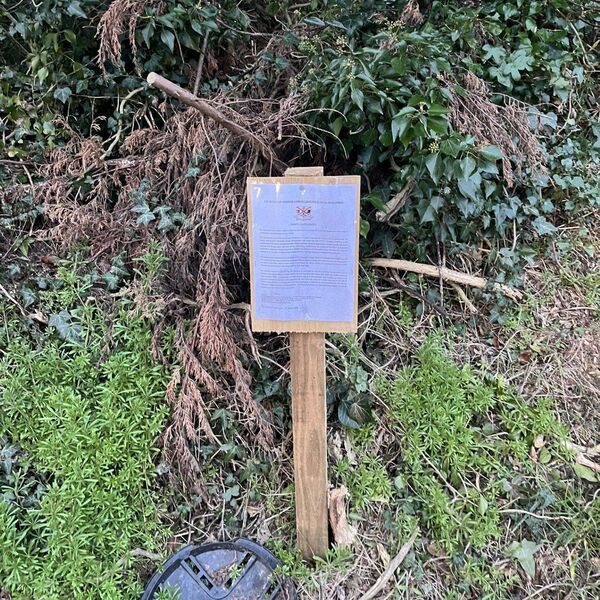
Another view expressed at the meeting was that those behind this project should be answering questions from Mr Gorman and his fellow locals, but that this has yet to happen.
Local councillors Aoife Breslin and Mark Leigh were present at the meeting.
One of the most noteworthy points touched on at the meeting and further detailed in the newsletter is that Ballindrum Solar are set to make a separate application to an Comisiún Pleanála at a later date for a 110Kv electrical substation and 10km of cable connecting the site to the national grid at the Athy substation.
Other concerns noted in the newsletter include the impact of noise and vibration from construction on horses, livestock and equine business and on those working from home.
The newsletter also detailed the relevance of the third EU Renewable Energy Directive (known as RED III) to developments in Ballindrum/ Mullaghmast. RED III was adopted in Ireland last year and introduced mandatory decision-making time frames for renewable energy development application.
The view was expressed in the newsletter that this is designed for speed rather than community engagement, with locals given 5 weeks between 6 March and 9 April for observations or objections to the application.