Over 750,000 illegal medicines detained in 2025
Kenneth Fox
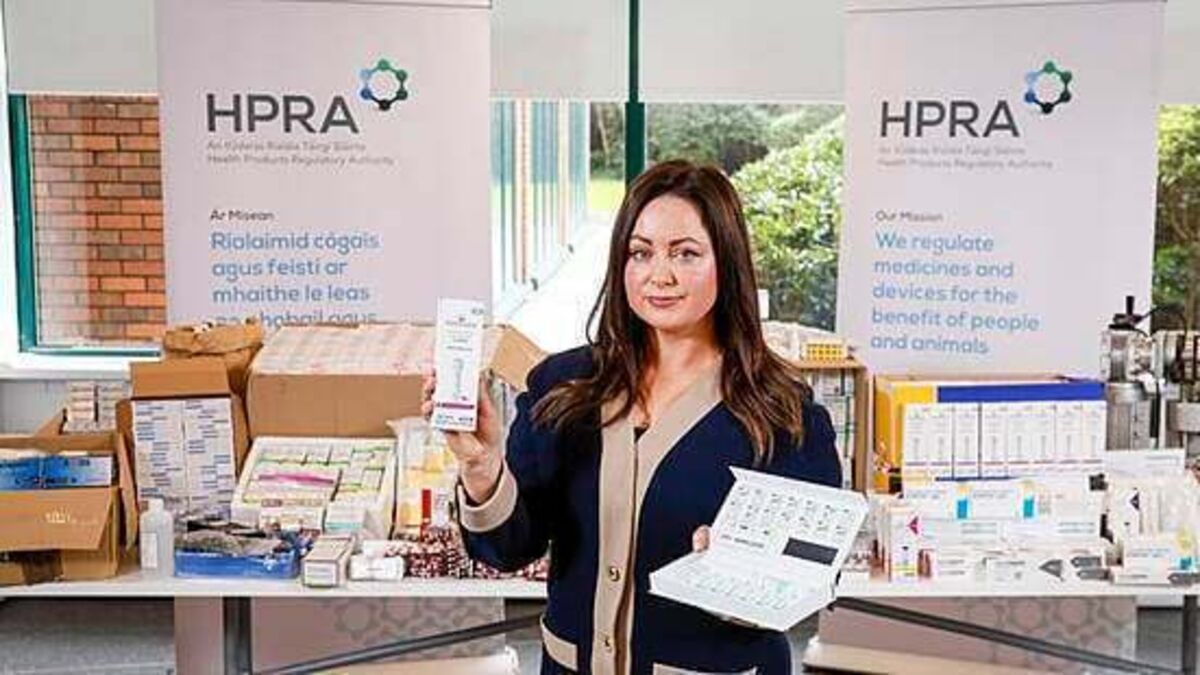
Over 750,000 units of illegal medicines were detained by the Health Products Regulatory Authority (HPRA) in 2025.
Announcing its annual enforcement figures, the HPRA confirms that it detained a total of 763,027 dosage units, which included just under 14,000 individual packages each linked to a separate purchase by a member of the public of illegal or falsified medicines.
It represents a threefold (180 per cent) increase in individual consignments since 2024. A significant proportion of these were presented as GLPâ1 products for personal use.
Announcing the figures, the HPRA reiterated the serious health risks associated with sourcing prescription medicines online or through any unauthorised channels.
They emphasised that the supply of such products into or within Ireland is illegal and warned that consumers have no assurance regarding the safety, quality, or authenticity of prescription medicines obtained outside the regulated pharmacy setting.
The HPRA advises consumers not to take risks with their health and to stop using any prescription medicines obtained from unregulated sources immediately. Anyone with concerns about their health is urged to seek advice from a healthcare professional.
In the 12 months of 2025, the most significant categories of illegal products detained included sedatives (27 per cent), erectile dysfunction medicines (14 per cent), anabolic steroids (12 per cent), diabetes/slimming (9 per cent) and analgesics (5 per cent). The breakdown is as follows:
Sedative medicines – 205,270 units detained
Erectile dysfunction – 103,185 units detained
Anabolic steroids – 94,647 units detained
Diabetes/Slimming – 65,148 units detained
Analgesic medicines – 40,669 units detained
The HPRA highlighted the substantial increase in the volume of GLP-1 type medicines (weight-loss medication) detained, rising from 1,582 in 2024 to 48,752. Authorised GLP-1 prescription-only medicines are intended for specific medical purposes such as diabetes or weight management under certain conditions.
The majority of the detained products were promoted as containing semaglutide or tirzepatide and were presented primarily as GLPâ1 drops (27,329 items) or microneedle patches (17,170 items).
Despite claims made in the promotion of these products, GLPâ1 drops or patches are not authorised as approved medical treatments, and there is no evidence to support their use.
Testing conducted by the HPRA on a sample of the transdermal patches detained in 2025 found that they did not contain semaglutide, contrary to the claims on their packaging and promotional materials. The remaining illegal GLPâ1 medicines detained were presented in other forms, including tablets, pens, and vials containing either powder or clear liquid.
Pregabalin is another product that saw a significant increase in detentions in 2025, rising from 23,442 in 2024 to 59,905.
This represents the fifth consecutive yearâonâyear increase and reflects a wider global trend in the illegal, nonâmedical use of this product.
The HPRA also continues to monitor online activity promoting prescription medicines and other substances and routinely intervenes to disrupt this promotion. Such activity is often linked to the use of substances for aesthetic and body image purposes. In 2025, the HPRA,
Initiated a prosecution relating to the manufacture and distribution of GLP-1 medicines;
Shutdown or amended 4,762^ websites, e-commerce listings and/or social media pages.
Commenting on the 2025 data, Jennifer McCartan, compliance manager at the HPRA, expressed her concern about the risks individuals continue to take when attempting to purchase prescription medicines from unauthorised suppliers.
“Sourcing prescription medicines outside of a registered pharmacy and without appropriate medical supervision poses a significant risk to your health.
"Products obtained through online or other unauthorised channels fall outside the regulated supply chain, meaning their quality, safety, and origins cannot be assured.
"These medicines may be counterfeit, mislabelled, or contain harmful or ineffective ingredients. Using such products can result in serious adverse effects and represents a real but fully avoidable danger to public health.
“While we welcome a decrease in overall detentions this year (763,027 units in 2025 compared to 1,000,984 dosage units in 2024), data for a single year should not be interpreted as an indication that demand for certain products has reduced.
"More than threeâquarters of a million dosage units of illegal medicines is really concerning, and we are also seeing some evidence of packages containing smaller quantities of drops, patches or vials. This pattern is reflected in the overall consignment figures”.