Fit Focus: Conquering Carrauntoohil
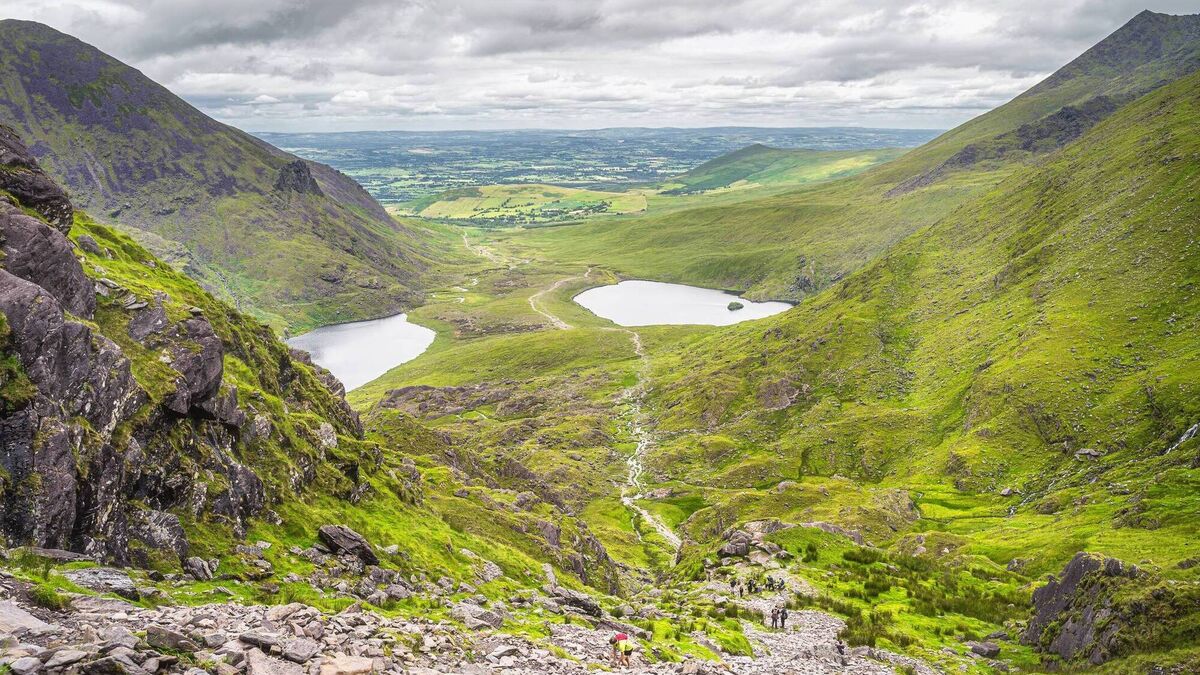
Cimbing Devils Ladder, one of most difficult trails, to reach highest Irish mountain Carrauntoohil
STANDING at 1,038 metres, Carrauntoohil isn't Everest. But don't let that fool you. This jagged quartzite peak in the heart of the McGillicuddy’s Reeks has claimed more egos (and a few lives) than most climbers expect.
The difference between a triumphant summit and a miserable retreat isn't luck—it's preparation. Here is how to earn your view from the top and come down smiling.
Carrauntoohil is not a beginner's mountain. The biggest mistake is making it your first hike. Your body and mind need progressive overload, just like any fitness goal.
Start smaller: bag Torc Mountain (535m) near Killarney for a steep, rocky introduction. Then try Mangerton (843m) with its famous Punch Bowl lake. These climbs build the specific endurance—uneven terrain, sustained ascents, and downhill quad strength—that no gym stair master can replicate. Aim for three to four preparatory climbs over six weeks.
When you can complete Mangerton without jelly legs and still hold a conversation, you are ready for Carrauntoohil. Skipping this step is not brave; it is a rescue call waiting to happen.
Irish weather is a liar. You might leave the car park in benign cloud and shorts, but by 600 metres, you could face horizontal rain, 50kph winds, and a temperature drop of 10 degrees.
Pack a waterproof and windproof outer shell (Gore-Tex or equivalent), insulating mid-layers (fleece or synthetic down—never cotton), thermal gloves, a beanie, and a buff. Waterproof boots with good ankle support are non-negotiable; the scree fields will shred trainers. Sunscreen and sunglasses are also essential—the white quartzite reflects UV like a mirror on even overcast days.
The mountain will test your gear. Make sure your gear wins.
Silence the Inner Voice Around two-thirds of the way up, usually on the brutal Devil's Ladder section, a voice will whisper: "This is too hard. Turn back. You can't do this."
That voice is not intuition; it is the comfort zone fighting for survival. Acknowledge it, thank it for its concern, and then ignore it. Break the climb into micro-goals: Reach that dark rock. Now the gully. Now the ridge. Focus on your breathing, one step at a time. The summit is not won by fitness alone; it is won by stubbornness.
When you finally touch the large cross at the top, that voice will go silent. And you will know you were always stronger than it said.
The moment you switch off — because you are tired, because the summit is bagged, because you are chatting and looking at the view — Carrauntoohil will teach you a lesson.
Loose scree shifts underfoot. A false path leads toward a sheer drop. Exhaustion blurs focus on the descent, which is statistically more dangerous than the ascent.
Never walk on autopilot. Scan three steps ahead. Test every handhold. When you feel your mind wandering, stop, drink water, and reset.
Complacency is the mountain's favourite weapon. Do not hand it to them.
You did not just "go for a hike”. You moved through pain, fear, and weather to stand on the roof of Ireland. That deserves recognition. Once you are safely back at Cronin's Yard, peel off your boots, stretch your legs, and drive the short distance into Killarney. Head to a place like The Laurels for a well-earned pint of Murphys and a bowl of seafood chowder. Or visit Murphy's Ice Cream on the high street—the Dingle Sea Salt flavour is non-negotiable after a mountain day.
Book a table at Bricín for a hearty Irish stew or at The Porterhouse for live trad music. You earned every calorie.
Do not rush home. Sit, laugh, replay the moments you nearly quit, and toast your own resilience.
Carrauntoohil rewards the prepared and humbles the arrogant. Build your foundation on smaller peaks, respect the shifting elements, silence the doubting voice, stay alert from car park to car park, and then descend into Killarney for the sweet taste of earned indulgence. That is not just a climb but a memory you will carry for life.