Living Greener: Nettle plants are versatile and packed full of nutrients
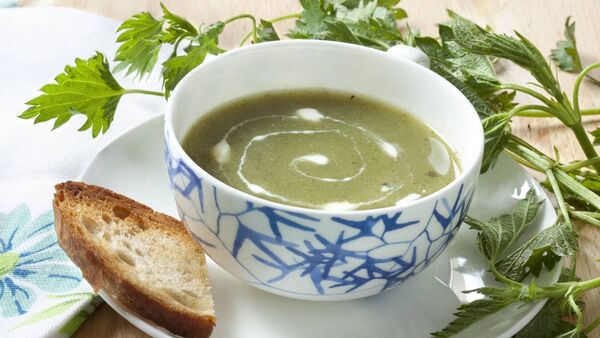
Nettle soup is a delicious way to use the plant
SPRING for me has always been nettle harvesting season. For a few weeks I can take a short daily walk and gather massive bushels of extremely healthy food with little effort.
Brushing against them leaves painful welts, of course, and every child here learns early to give nettles a wide berth – they are covered in hairs that are tiny hypodermic needles, which inject the same formic acid that fire ants use in their stings.
This may not make nettles sound very appetising, but cooking them destroys the stingers, and the plants themselves are amazingly nutritious – a hundred grams of them are only 36 calories but carry six grams of protein and are high in Vitamins A, C, and K.
Europeans used them as a tonic, an infusion of vitamins at the end of winter, as well as for arthritis, prostate problems, heart conditions and a multitude of other ailments.
Crushing them also eliminates the stingers, so you can seize them quickly and not get stung -- hence the expression “to grab the nettle”.
I am told that some experienced souls even crush the leaves quickly and eat them raw with no ill effects to fingers or mouth. I find gloves simpler.
I would not try to eat them as a salad, but they can be made into tea, soup, sautéed as a vegetable side dish, mixed with scrambled eggs or pancakes, and I have even heard of nettle kimchi.
The plant’s grassy and slightly fishy flavour goes well with seafood – say, nettle soup with crawfish. I have successfully juiced nettles into a drink very like wheatgrass – not my taste, but there are many wheatgrass fans out there.
Farmers here used to age the cooked plant with sourdough starter to make nettle beer, and I see no reason it could not be mixed into bread as herbs are.
I know farmers in Co Wicklow who make excellent nettle cheese by mixing the plant into the curds before ageing, creating a green spiderweb latticework in every slice.
They have other uses: their fibrous stalks can be stripped of leaves, squeezed of juice and wound together to make a makeshift rope in the woods. The stalks can be soaked in water until the fleshy parts decay, as people soak flax to make linen, and combed into thread – I have seen whole dresses sewn of nettle fiber.
Ireland might be the ideal home for nettles, as they love moist, rich soil, cool conditions and cleared land. They exist but are far less ubiquitous in Southern Europe and North America, although you can probably plant them in pots.
If they don’t already grow around your home I don’t recommend planting them in the ground – in an Irish climate like Oregon they might run rampant, and in a drier one they might never grow – but they might thrive under control in a pot, as mint does. Some gardeners recommend them for attracting early aphids — not because they like aphids, but because the pests bring a spring regiment of ladybirds that help the garden later in the seasons.
When you collect nettles, of course, don’t take them from near a road, or from land you think might have been sprayed with pesticides. Most nettle-pickers select only the delicate shoots in early spring, and if you snap them off, more shoots grow back – but the whole plant is edible, and I continue to pick leaves into late summer.
Wash them well, of course, using a spoon or some other tool to stir them in the water, so as not to be stung or get your gloves wet. Once you have washed them, cook them well – say, boiling for at least 10 minutes – or the stingers won’t completely dissolve.
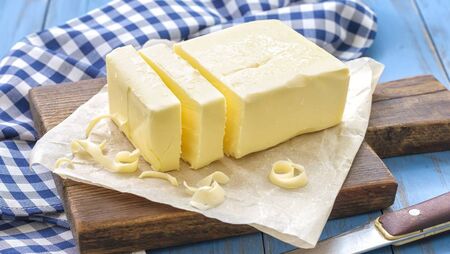
A common approach to nettle soup is to sauté one large, white diced onion in butter over low heat for a few minutes, and as it turns golden stir in a clove of garlic, shredded through the fine holes in your grater.
Peel and dice a medium potato – about a centimetre on a side – and stir that in too. Then add about 100 grams of nettle shoots and pour stock over the whole thing.
Let it boil, bring it down to a simmer and let it cook until the potatoes are soft. Then you can blitz the whole thing with a food processor, if you like, add a 100 ml or so of cream and serve.