Living Greener: DIY Yoghurt
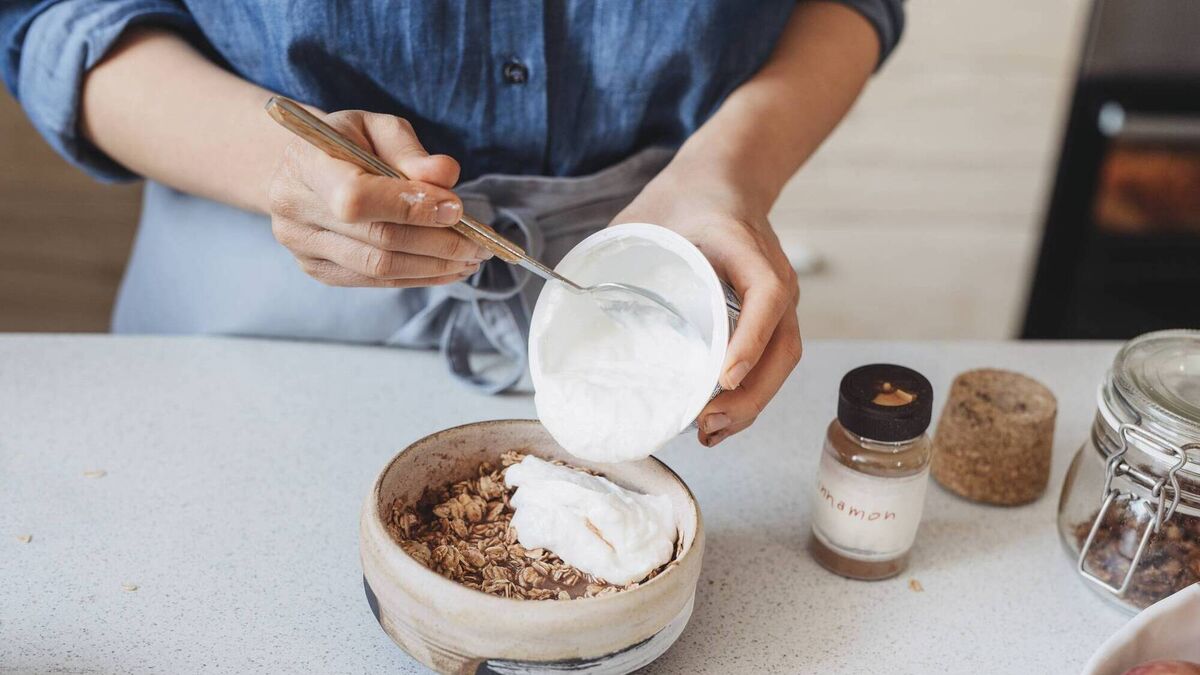
MODERN people live in mortal fear of bacteria. Many of us buy more expensive but otherwise useless products like “anti-bacterial” soaps, so fearful are we of contamination.
Whether we like hearing it or not, however, we live surrounded by bacteria in the air, on every surface, were here before us and will be here after we are gone; this is their world, and we are just their tenants.
Most bacteria are harmless, and some are deeply helpful; we couldn’t digest food very well unless our stomachs were filled with them, and some particularly beneficent types even prepare the food for us.
They turn cabbage into sauerkraut, wine into vinegar, cucumbers into pickles and flour and water into sourdough.
Their most varied accomplishments, though, are in the field of milk. They turn cream into crème freche or sour cream, can turn the leftovers from butter-churning into buttermilk, and make an amazing variety of soft and hard cheeses, and turn milk into yogurt.
One of a few types of bacteria create yogurt by eating its lactose, the part of cow’s milk that many humans find particularly difficult to digest.
The bacteria turn this nutritious but problematic food to lactic acid, making it edible and giving yogurt its characteristic tang.
Ancient Greeks consumed yogurt – Pliny the Elder mentioned it – but Western Europeans were slow to adopt it; when yogurt was first marketed to the public, it was first as a diet supplement, and then as a cure for constipation.
In fact, it can just be a good, tasty way to make milk edible for longer.
The easiest way to make your own yoghurt is to buy some natural, live-culture yoghurt as a starter.
“Live-culture” means it has some of the living bacteria – the “culture” – that transforms the milk.
Put 500 ml of milk in a pot on the stove, and turn the heat on very low. Don’t let the milk come close to boiling – monitor it with a clean candy thermometer.
Bring the temperature up to around 75 degrees centigrade, and then let it cool to around 40.
Then scoop in about 100 ml of natural, organic, live-culture yogurt as your starter and mix well.
You could stop here and get a runny batch, but we like to mix in a few scoops of powdered milk to thicken it.
Put the mixture into a plastic bowl, cover it and let it sit in the closet overnight – we put it with our towels over our water heater – and in the morning, you have yogurt.
It will keep for a couple of days at room temperature or a couple more in the fridge.
It takes some yogurt to make yogurt, but you multiply your investment with each batch, and since the bacteria are always multiplying, you have a constantly regenerating supply.
You can also purchase a yogurt pot, a simple container-within-a-container to make the process even more convenient.
First you mix your ingredients together in the inner container, place it inside the outer container, and pour boiling water in between.
Then you close and seal the outer container, and the heat keeps the ingredients warm through the night. In the morning, you can open the container and you have yogurt.
We in Ireland, as in the UK and USA, tend to sweeten our yogurt with jam, but rather than pay extra money at the store for yogurt, try adding your own jam at home.
Or, if you don’t want all that sugar, try mixing in whatever grows around you — apples, pears, raspberries, blackberries or currants. Even if you are used to sweet yogurt, however, don’t give up on the natural sour kind — it grows on you, makes a healthier salad dressing then oil, a healthier sandwich spread than butter or a healthier soup thickener then cream.
You can also strain your yogurt though cheesecloth overnight — we make cheesecloth into a bag, tie the bag to a broom handle, prop the broom handle between two chairs, so that the cheesecloth bag dangles in mid-air between the chairs.
Then we put a bucket underneath the cheesecloth bag, and pour the yogurt into the bag. The liquids strain out overnight, leaving a soft and creamy cheese for use the next day.
Finally, making and preserving your own foods can be a fun activity for kids, and introduces them to the idea that food can be made and not just bought. It also costs about one-fourth as much as buying yogurt from the store every time.