Living Greener: Turn suburbia into green mosaic
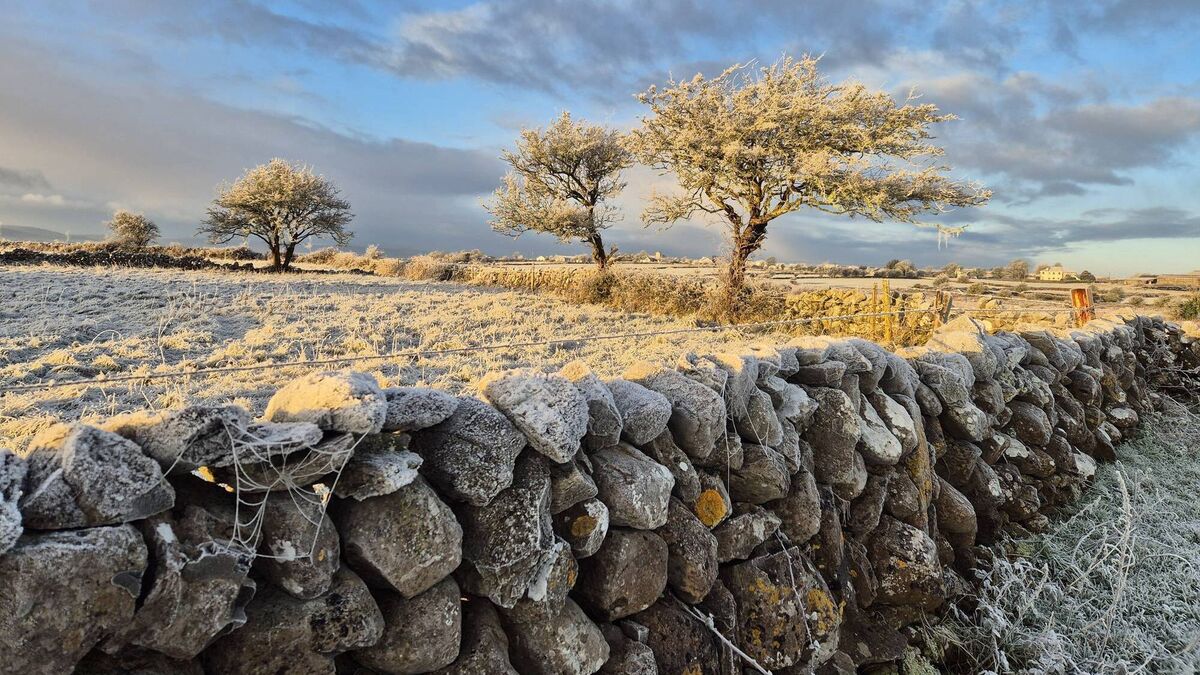
These scenes seem a world away from, say, modern suburbs, where rivers of asphalt and concrete flow through landscapes of strip-malls and housing estates
ONE of Ireland’s most iconic images, seen in many postcards and calendar panoramas, is the mosaic of green fields divided by stone walls.
Those walls, so common in the west of our island, look even more interesting up close, for the stones are loose, irregular and often lain without mortar.
They look as unstable as a card pyramid, yet many have lasted centuries. They demonstrate how insoluble problems can be combined into simple solutions, as farmers here turned an obstacle – the stones that broke their ploughs – into a barrier that would protect their livestock.
Such bucolic scenes seem a world away from, say, modern suburbs, where rivers of asphalt and concrete flow through landscapes of strip-malls and housing estates.
But these people have a similar problem as those farmers and might learn from their solutions.
For hundreds if not thousands of years, most farmers had some knowledge of how to make walls out of the soil’s round stones, but I’m told specialists went from farm to farm to help with repairs.
To build such walls you must select stones of the right size and shapes to fill the spaces formed by the ones around it, like a three-dimensional jigsaw puzzle.
When laid properly, the gravity of the stones keeps each other in place, like the segments of an archway.
Crafters made their walls in straight lines by hammering posts into the ground some metres apart along the path the wall was to follow and stretching a rope tautly between them.
They did not need to transport materials, as the stones were pulled from the fields around the wall itself – and stones have always been Ireland’s biggest crop.
The resulting walls seemed to grow organically out of the land, and with their crevices could be scaled by humans but made an effective barrier for livestock.
Their crevices, meanwhile, provide a home for many forms of smaller wildlife we need for the larger ones to stay alive – the base of the food pyramid, as it were.
Seeds eventually make their way to the crevices and sprout, and plants wind their roots and woody stems through the interstices until they become part of the structure, and the wall can barely be seen under the greenery.
Eventually some of them become, effectively, hedgerows, and in some hedgerows, you can still see their rocky foundation.
Many Westerners today would benefit from growing gardens, keeping chickens and other animals, and practicing more self-sufficient crafts as their grandparents did.
Most, though, face a problem very like that of Irish farmers – their topsoil is blocked by rock.
Suburban homeowners often dig through their lawn and find thin, depleted soil filled with the debris from the original construction of the neighbourhood.
One way or another, they will have to find some use for irregular chunks of concrete and asphalt. At the same time, many modern homes and businesses have chain-link fences for boundaries, which rust and must be replaced. How, then, do you discourage intruders or enclose livestock?
For many people, then, the best solution might be the same ones the Irish farmers used, to let these two problems solve each other. Chunks of rubble can be stacked into walls, and more easily than glacial till, as former pieces of road or parking lot are likely to have at least one flat side.
They can keep livestock enclosed, perhaps in a single suburban block whose residents decided to tear down their chain-link fences and keep pigs together.
They can break up the wind, shade lambs and piglets from strong sun, provide a home for the miniature wildlife that larger animals eat, and for the flowers that often grow in crevices.
If you think chunks of concrete and asphalt would look ugly, you could try finely chopping moss and mixing it with yogurt and beer and painting the resulting smoothie on your rocks –it rapidly creates a moss covering. You also could plant ivy-leaved toadflax or some other flowers in the crevices, providing food for bees.
Plants might wind their roots or stems through the gaps, and you might get a proper hedgerow growing out of your wall, their fallen leaves and the animals’ waste slowly building back the soil. Given enough time, that moonscape of suburbia could look like that green mosaic of our postcards again.