Living Greener: Turn wasted space into living landscapes
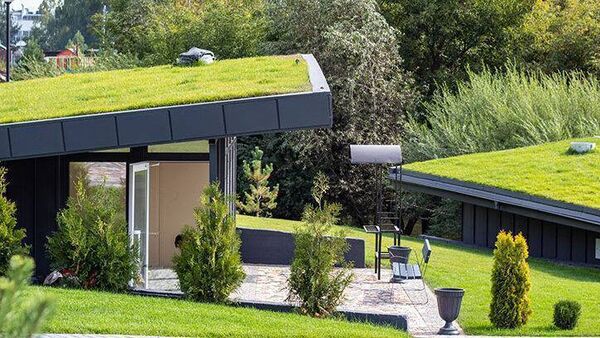
Cultivating plants on your roof creates a patch of natural habitat
AS A child, I remember going to the city and looking out the window of a tall building for the first time, gazing at the vast urban landscape spread out before me, and realising it was the ugliest thing ever made.
The roofs, invisible to people driving down the streets, lay covered in bare gravel or nothing at all, with puddles gathering on them and waiting for a leak. It all seemed so unnecessary – why not plant grass there?
Cultivating plants on your roof creates a patch of natural habitat, partially replacing what was destroyed to create the building in the first place.
They provide food for bees and other miniature helpers who will fertilise your garden. They help insulate your home, sparing you heating and cooling costs. Finally, they look brilliant.
Green roofs come in many forms, the most ambitious of which are called intensive green roofs. These allow for heavier weights and deeper roots of shrubs and annuals.
They can combine water management systems that process wastewater from the building and store surplus rainwater, and they can even allow inhabitants to grow anything but trees above their homes.
Understandably, they generally appear in buildings designed for this purpose.
The most popular and widely applicable type, though, is the so called extensive green roof.
To create one, people generally cover an ordinary roof with some kind of lightweight plastic, like pool liner, and spread thin but fertile soil on top of that.
The soil should be laced with grass and other seeds, and over the soil should stretch something to stop erosion until the plants grow – garden fleece, straw, or some similar inhibitor.
We created a roof like this when we built a cob house in Co Clare.
Cob is a mixture of clay subsoil, sand, and straw, and it makes a surprisingly good building material.
After building the stone foundation, cob walls and wooden roof, we unrolled layers of pond liner over the roof and rolled strips of grass right on.
It’s still there today, and still working.
The plants should be drought tolerant, as water will drain from them quickly, and they should be hardy, as they will feel the full brunt of most weather.
If the layers are lightweight, they can be added to many existing roofs without additional structural support.
Larger plants could be even better, of course, but most residential roofs will not support trees.
These roofs do not have to carry just grass, which is one of the hardiest plants.
They could also support wildflowers, which would create a striking cover for your home as well as fodder for insects.
I know urban tenants who are even using their roofs for beehives, allowing the bees to pollinate city gardens while keeping them away from passing humans.
If you grow hanging plants like nasturtiums, you could even have them spill over the sides of your roof, creating awnings and shaded walkways in the seasons you need them most.
The only disadvantage of wildflowers is that their blooms might be short lived, but the plants themselves might still be beautiful or beneficial.
Of course, even the thinnest green roof carries some weight, and not all roofs will be suitable.
Before you try this with your own roof, talk to organisations that specialise in these systems and get some advice.
Even if you don’t want to try it on your house, you might experiment with your shed or chicken coop; their roofs are lower to the ground and less dangerous to work with.
Finally, even if you don’t grow anything on your roof, you could still put it to better use.
In hotter climates like Europe or the USA, many people have dark roofs, which absorb heat and increase cooling bills – many would do well to paint their roofs white.
Switching to a white roof can actually reduce energy use by about 20 percent in hot, sunny weather, according to the Lawrence Berkeley National Laboratory Heat Island Group in California; the average new house with a white roof would save enough electricity to prevent one tonne of carbon dioxide emissions per year.
According to , painting roofs white or reflective across the world’s urban areas would offset the equivalent of emissions from the planet’s 600 million cars for the next 18 years.