Kildare refugee facilities undergo inspections
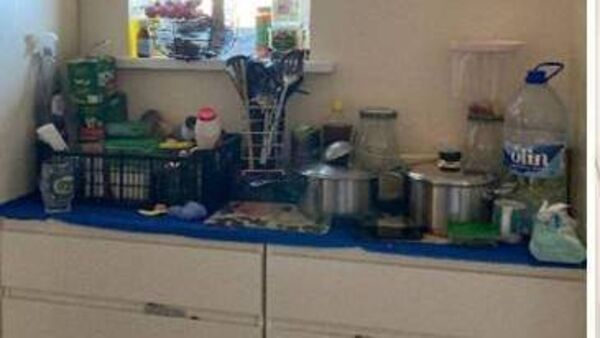
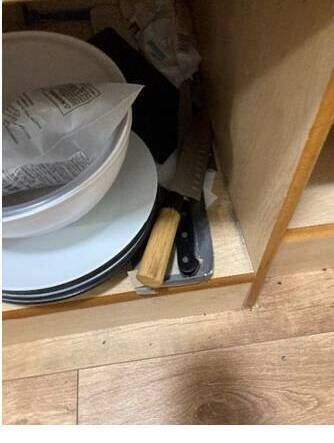
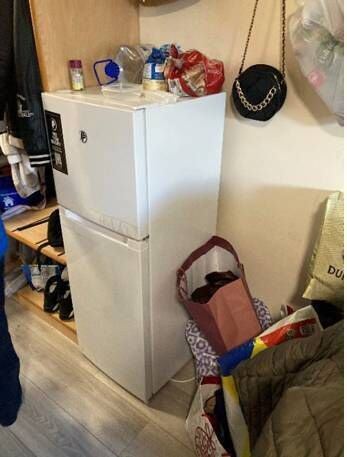
Example of storage in a bedroom in the Hazel Hotel
LARGE amounts of electrical devices being used in bedrooms along with the storage of knives and food were among the main issues highlighted in a series of reports on local Emergency Reception and Orientation Centres (EROC).
The three — The Waterway in Sallins, the De Burgh in Bert House, Athy, and The Hazel in Monasterevin — received Department of Justice inspectors on dates earlier this and they were published recently.
EROC facilities are used to house and orient refugees or relocated persons upon arrival in Ireland.
All three centres in Kildare are of similar size with capacities ranging from 112 to 120 guests, which on the date of inspection, reported occupancy rates of between 102 and 108.
The three were tested on a range of criteria including administration standards, safety, security, food access child protection, residential comfort and well-being, even down to whether the kitchen floor is non-slip, or they provide gratis female hygiene products.
Though there were some amber and red warning scattered sparsely amongst the lists of, the majority of those had to do with residential infractions such as in The Waterways - “food left in room” and “charger left plugged in and unattended”.
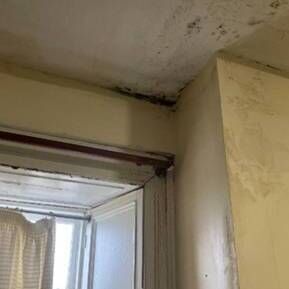
The premises was at some fault with some mould and paint flakes reported, but these were classified as ‘Amber’ breaches which must be dealt within 14 days.
However, the unattended chargers and the food in room were classified as ‘Red’ which requires them to be dealt with immediately.
The Waterways is occupied by couples and single females, and offers two washing machines, and two tumble dryers for every 25 occupants.
The staff inspect three rooms daily, and a further three unannounced each week.
The Hazel in Monasterevin has a mixed occupancy, which it is probably why it was the only one of the three to report the discovery of some alcohol (prohibited) in rooms.
The residents here also had a lot of cooking equipment and knives in their bedrooms, as well as heaters and fridges.
Beyond that, a cleansing gel had expired in the canteen, and “chairs needed to be returned to the dining room from residents’ rooms.” The De Burgh House Manor in Bert House also houses couples and single females, and while it provides 24-hour supervision, security s only for overnight.
The laundry facilities here are identical to those in Sallins, but the First Aid in the kitchen was found to be without a burns kit.
Mould was only reported in one room, whilst overcrowding was reported in two, with five in a four-bed room, and four in a three-bed, however, one of these was already being sorted as the inspectors were going through their paces.
However, the biggest issue in De Burgh Manor was the amount of electrical goods found in residents’ rooms, with five fridges and six electric heaters being reported.
Nonetheless, the inspectors noted in their summary “a marked improvement from the previous inspection (three months previously) “although demanded “a timeline for room remediation to be provided”.