Kildare woman shares life with MS
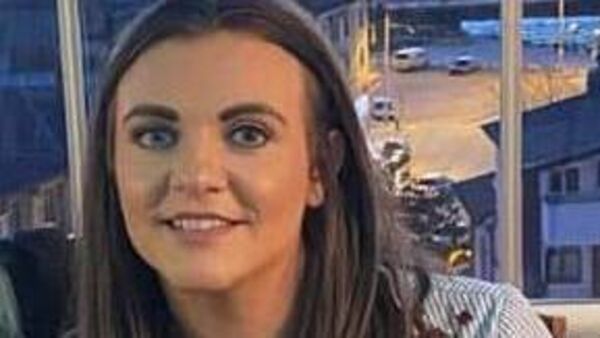
Sarah Maher from Rathangan
A KILDARE woman has shared her experience living with multiple sclerosis (MS) to educate people on the struggles and daily life associated with her condition.
Sarah Maher from Rathangan is sharing her story as part of MS Ireland’s World MS Day 2026 campaign, MS Journeys: Many Faces, One Community, which highlights the many different experiences of people living with MS across Ireland and raises awareness of what life with the condition is really like.
World MS Day is marked globally each year on 30 May. It is a day to raise awareness of MS, share lived experiences and bring people together across the MS community. In Ireland, MS Ireland’s 2026 campaign is sharing stories from people living with MS across Ireland throughout May, recognising that every MS journey is different.
Describing life with MS, Sarah said: “Living with MS means constantly balancing pain, fatigue and uncertainty, while still trying to hold on to the humour and determination that keeps me moving forward.” MS has changed the way Sarah thinks about her energy and her limits. She says it has made her more patient with herself and more aware that energy is something that has to be managed carefully. It has also made her appreciate the small things more and value the kindness and support of others Her advice to someone newly diagnosed is to remember that, while the early days can feel overwhelming, there is hope.
“Treatments are improving all the time and support is out there. Connecting with others who understand MS can make a huge difference - you don’t have to go through it alone.” Family, friends and the wider MS community have been hugely important in Sarah’s journey. She says that while many people see the version of her that is smiling and getting on with things, her husband sees what living with MS is really like when the brave face comes off. Her mam has also been a constant support, researching treatments and developments and checking in with her, while her two children keep her going.
MS Ireland has also played an important role in Sarah’s life. Through MS Ireland, she attended respite in November, where she connected with people who truly understand what living with MS is like and formed friendships she believes will last a lifetime.
She has also attended a conference, is preparing to start an online physiotherapy programme and has been put in touch with a community support worker.
For Sarah, being part of the wider MS community means not feeling alone. Meeting others who understand symptoms such as fatigue, pain and brain fog creates a powerful sense of connection.
One of the things that has surprised Sarah most is how invisible many MS symptoms can be. She says being told “you look well” highlights the hidden nature of MS, because pain, fatigue and cognitive issues can be real daily challenges even when they are not obvious to others.
She says her days off from work are often recovery days, and it can be frustrating to have the personality of someone hard-working, determined and motivated while living in a body that cannot work as hard as it used to.
Treatment has been a major part of managing her MS, and Sarah says Kesimpta has thankfully halted lesion progression. Emotionally, keeping a sense of humour and connecting with others who have MS helps her cope with the ups and downs.
Sarah is proud that, despite the challenges of MS, she continues to work and keep moving forward. She is also proud of learning to manage her energy while maintaining a positive outlook.
She is keen to challenge the misconception that MS only affects mobility. In reality, symptoms such as fatigue, pain and cognitive difficulties can have a major impact on daily life.
Her message to others living with MS is compassionate and practical: “Be kind to yourself. MS can change your life in many ways, but connecting with others who understand and finding support can make the journey feel less lonely. Try to listen to your body and rest if you need to.”