Fit Focus: Beware the silent saboteur
IN the intricate architecture of the human body, where muscles vie for attention with flashy names like “glutes” and “lats,” one deep-seated player operates in near anonymity, yet holds profound influence.
The psoas major (pronounced so-as), often called the “hip flexor,” is far more than that. It is a core stabiliser, a spinal supporter, and a vital link between our upper and lower halves. When it is weak, tight, or — most insidiously — inactive, it doesn’t just cause a twinge in the hip. It becomes a primary architect of a domino effect of dysfunction and injury throughout the kinetic chain.
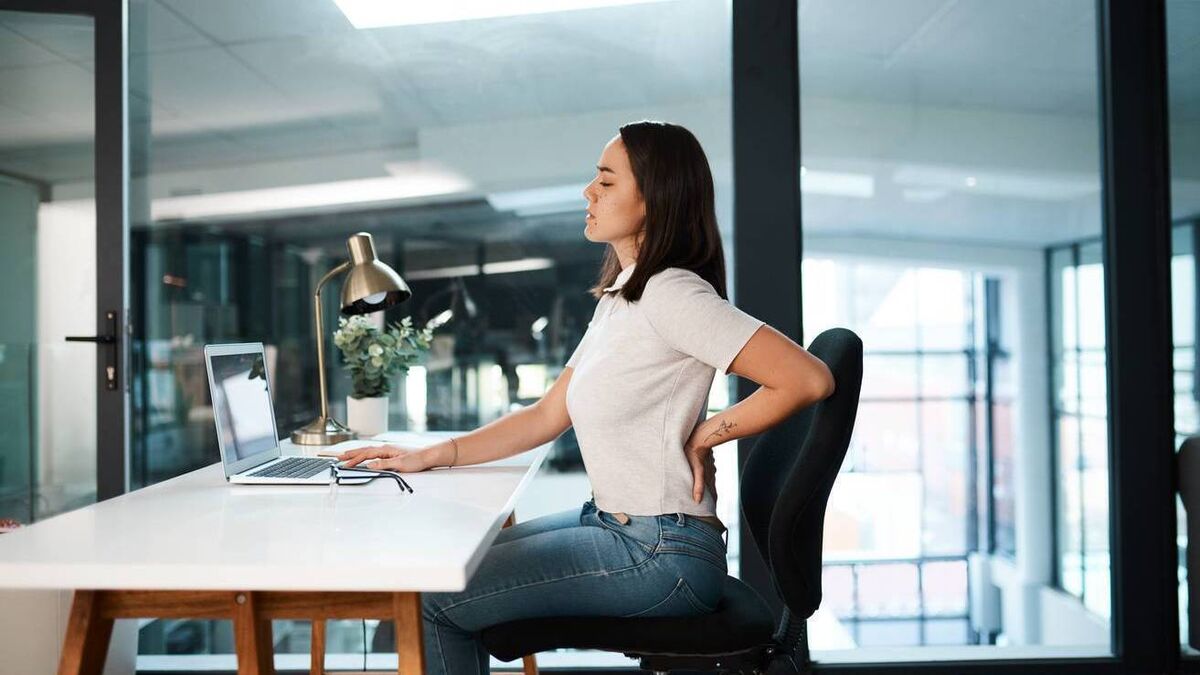
The psoas is unique. It is the only muscle that connects the lumbar spine (specifically, the T12 to L5 vertebrae) to the femur (the thigh bone). This central position makes it a critical pillar of stability. A healthy, active psoas functions like a sophisticated guidewire, stabilising the spine as we move, walking, and lift. However, modern life conspires against it. We spend hours sitting at desks, in cars, on sofas.
In this posture, the psoas is placed in a perpetually shortened, passive position. Over time, it forgets how to engage properly, becoming what physical therapists call “inhibited” or “sleepy.” This inactivation is the root from which many problems grow.
The first and most direct consequence is lumbar spine distress. A weak, inactive psoas fails to provide the necessary anterior (front) support for the lower spine.
To compensate, the body recruits other muscles. The rectus abdominis (the superficial “six-pack” muscles) and the hip flexors like the rectus femoris tighten and overwork, pulling the pelvis into an anterior tilt.
This creates an exaggerated arch in the lower back, placing excessive compressive force on the lumbar discs and facet joints.
The result is often chronic low back pain, a complaint epidemic in sedentary societies, frequently misdiagnosed without addressing this core culprit.
As the pelvis tilts, the dominoes continue to fall. The glutes, the body’s primary powerhouse for hip extension (think standing up, walking uphill), become “inhibited” in response.
Neurologically, when the hip flexors are chronically tight, the opposing glutes shut down — a phenomenon known as reciprocal inhibition.
With weak glutes, the body must find other ways to propel itself forward. The hamstrings and the erector spinae (lower back muscles) are forced to overwork. This leads to chronic hamstring tightness and strains, as they are now tasked with both knee flexion and a role in hip extension they are poorly designed for.
The instability travels downward. With poor glute function and an unstable pelvis, knee alignment falters.
The knees may cave inward (valgus) during movements like squatting or climbing stairs, placing unnatural stress on the medial collateral ligament (MCL) and the patellofemoral joint.
Runners with an inactive psoas and weak glutes often present with iliotibial (IT) band syndrome and patellar tendinitis, as these structures strain to compensate for poor hip control.
Even the feet are not spared. A compromised kinetic chain affects gait. Instead of a powerful push-off from the hips, an individual may adopt a shuffling gait, overpronating (rolling the foot inward excessively) to create momentum.
This can lead to plantar fasciitis, Achilles tendinopathy, and shin splints, as the lower leg absorbs forces the hips were designed to manage.
Ultimately, an inactive psoas doesn’t merely create a local weakness; it corrupts the entire body’s communication system.
Movement patterns become dysfunctional. Muscles that should be stabilizers become prime movers, and prime movers become dormant.
The body moves in a state of confusion, with compensations layered upon compensations, each a potential site for overuse, strain, or acute injury.
Reclaiming a healthy psoas, therefore, is not about aggressive stretching alone —which can often exacerbate instability if the muscle is weak.
It requires a two-pronged approach: gentle, targeted release of associated tension (in the psoas itself, the quads, and the lumbar fascia) followed by conscious re-education and activation.
Exercises like psoas marches, controlled leg lifts from a supine position, and proper deep breathing that expands the diaphragm (which attaches to the psoas) can help “wake up” this vital muscle.
By restoring its rightful role as a stabiliser, we unkink the hose of our kinetic chain, allowing force to flow efficiently, and preventing the cascade of injuries that begins with this one, silent, central saboteur.