Fit Focus: More to fitness than the gym
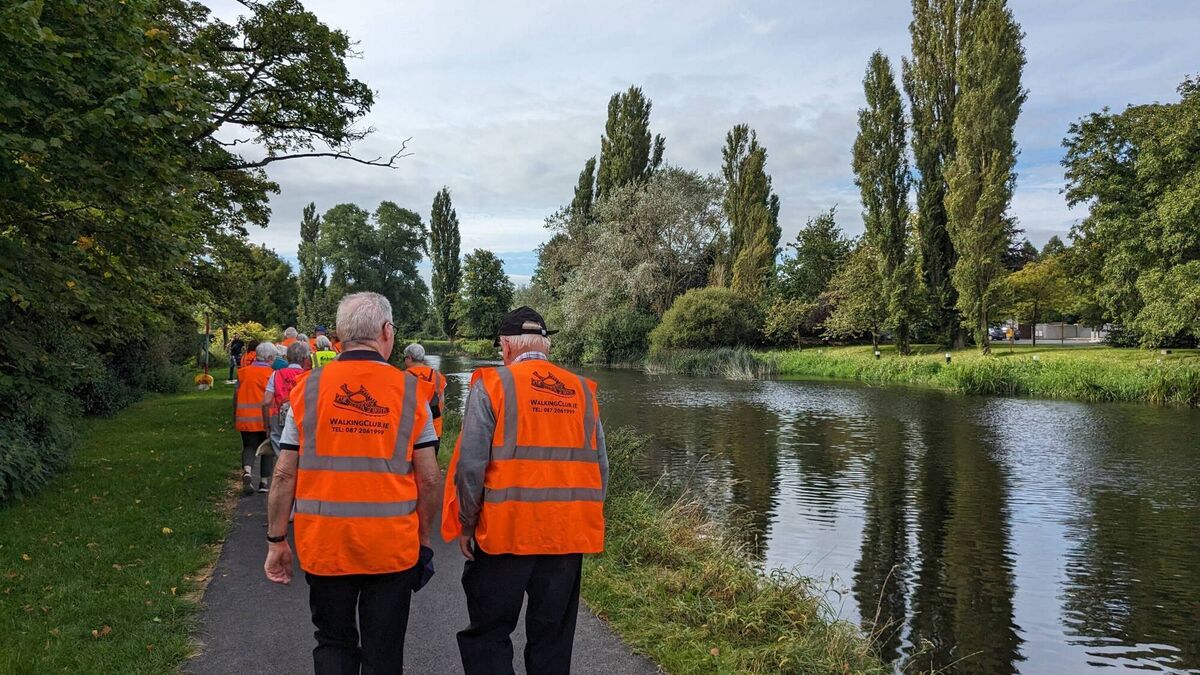
True longevity is built in the margins. It is the cumulative effect of choosing movement over convenience, thousands of times over a lifetime
WE are a culture obsessed with the big gesture. We admire the marathon finisher, the CrossFit champion, the person who grinds through a 90 minute hot yoga session at 6 am.
We tend to view health and longevity through the lens of the “heroic workout” — that intense, scheduled burst of activity two or three times a week that we believe is our ticket to a long life.
But what if we’ve been looking at it all wrong? What if the secret to a longer, healthier life isn’t found in the gym, but in the seemingly mundane choices we make every single day?
A growing body of research suggests that the small things — taking the stairs, walking to the store, choosing an apple over a bag of crisps — are far more powerful determinants of our “health span” (the years we live in good health) than our structured exercise sessions.
The problem with the ‘heroic workout’ model is that it creates a binary view of fitness.
For 30 to 60 minutes, three times a week, you are ‘healthy’. For the other 162 plus hours of the week, you are sedentary. You can undo a lot of good work in that time.
A 45 minute spin class cannot completely negate the metabolic damage of sitting in a chair for nine hours, driving home, and collapsing on the sofa.
This is where the concept of Non Exercise Activity Thermogenesis, or NEAT, comes in. NEAT is the energy we expend on everything we do that isn’t sleeping, eating, or formal exercise.
It’s the fidgeting, the standing, the walking to the printer, the gardening, and yes, the climbing of stairs. While a high intensity workout might burn 400–500 calories in an hour, NEAT can account for hundreds more calories burned throughout the day simply by keeping you in motion.
Consider the stair climber. Opting for the stairs instead of the elevator takes an extra 30 seconds, but it spikes your heart rate, engages your glutes and core, and builds bone density.
Do that twice a day, five days a week, and you’ve accumulated a significant physiological stimulus without ever changing into gym clothes.
Similarly, cycling or walking to the local shop instead of driving isn’t just transport; it’s low impact cardiovascular exercise that improves blood flow, regulates blood sugar, and clears mental fog. These movements are “invisible” exercise, and they add up.
The same principle applies to diet. The ‘perfect’ meal — the grilled chicken and kale salad you have for lunch — is great.
But its benefits are diluted if it’s sandwiched between a morning pastry and an evening of mindless grazing in front of the television.
Longevity nutrition isn’t just about the macro perfect meals; it’s about what you do most of the time.
It’s the habit of reaching for a handful of nuts instead of a bag of crisps. It’s stopping the grazing after dinner.
These micro choices regulate your insulin levels more effectively than any single “clean” meal ever could.
So why are these micro habits so potent?
They are sustainable. Willpower is a finite resource. You can force yourself to do a perfect workout a few times a week, but you cannot force yourself to be active for 16 hours a day.
However, you can build habits. By turning a behaviour like taking the stairs into an automatic decision, you remove the need for willpower. You make yourself active by design, not by decision.
They prevent the “inactivity penalty”. Our bodies are designed to be in a state of low grade, constant motion. Prolonged sitting triggers negative metabolic responses — spikes in blood sugar and a shutdown of fat burning enzymes.
By frequently interrupting sedentary time with small movements, you signal to your body that it needs to stay “online” and metabolically active.
They create a compound effect. Just like compound interest in a savings account, the benefits of daily healthy habits snowball over time.
Walking daily strengthens your heart, lubricates your joints, and improves your mood, making you more likely to move again tomorrow.
Choosing healthy snacks stabilizes your energy, reducing the likelihood of a sugar crash that leads to lethargy and further poor choices.
This isn’t to say you should cancel your gym membership. Resistance training and high intensity interval training are vital for building muscle, maintaining bone density, and improving cardiovascular fitness.
But we must stop treating those gym sessions as the only thing that matters, and the rest of the day as a write off.
True longevity is built in the margins. It is the cumulative effect of choosing movement over convenience, thousands of times over a lifetime.
It’s the walk, the stairs, the bike ride, the home cooked meal. These are the small, unglamorous threads that weave the fabric of a long and vital life. Master the mundane, and the magnificent will follow.