Living Greener: Society needs to show meat respect
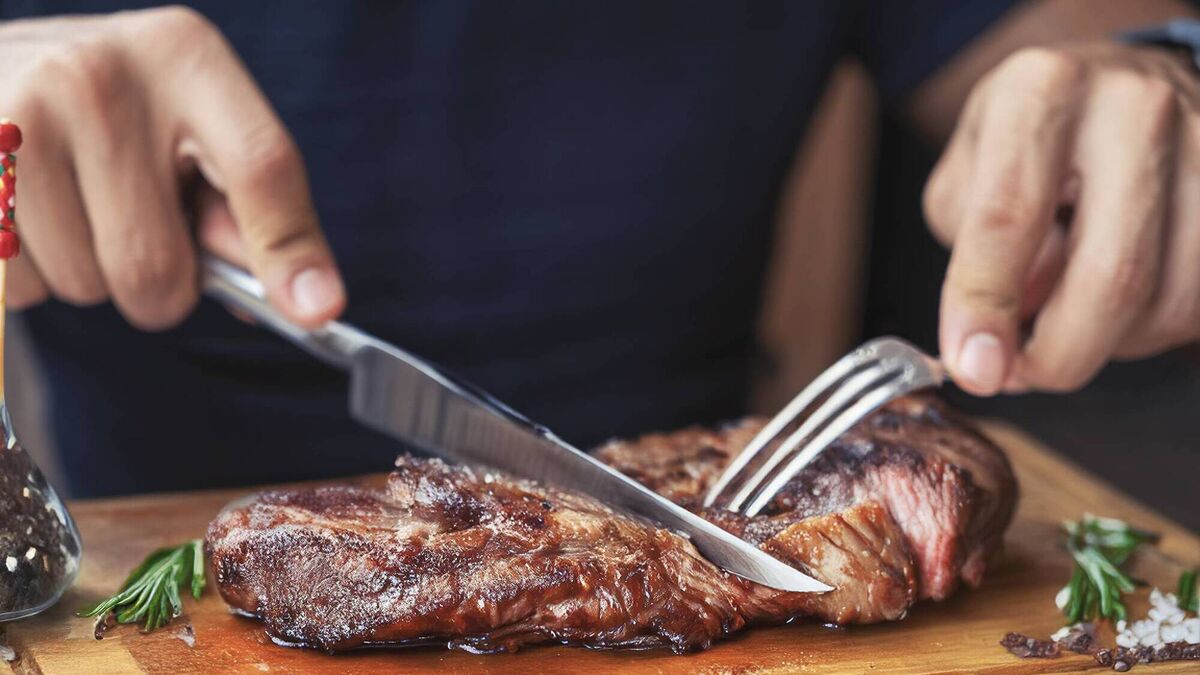
'We need to revive local people raising their own chickens and eggs, or groups of neighbourhood boys raising pigs in the vacant lot'
IF you could boil our global problems down to seven words, they might be these: we don’t see where stuff comes from.
Most of us spend grew up staring at glowing rectangles without ever seeing a coal-powered turbine. We blithely speed down motorways without ever visiting an oil derrick.
Most of all, we eat mountains of meat a year without having to grab a live animal or smell blood. Like most things in our lives, meat just magically appears, brought by strangers.
That last example hit home for people in Europe several years ago, when the Irish government tested frozen burgers from a major supplier and found that some of the alleged beef was actually horsemeat.
Irish and British discovered their top groceries and restaurants had been feeding them horse for a long time — probably unknowingly, but shoppers and investors dropped them all the same.
Thankfully, Ireland still has a healthy local culture of butchers that use meat from local farmers — but meat from supermarkets, fast food and restaurants often comes from farther afield, and we just trust that they know what they are doing.
Consider how strange this would seem to most of our ancestors, for thousands of generations back. For most of them meat was life; the very word “meat” meant “food” in Old English, so inextricable were the two.
This dealing of life and death might be the reason so many of our religions bind us in meat taboos —Jews and Muslims ban pig meat, Hindus cow meat, and Catholics all meat on Fridays through Lent.
Because meat was so precious, most human societies have much less finicky than we are today about what kind of animals they ate.
People throughout world history have eaten insects, snails and other invertebrates, as well as birds, reptiles, amphibians and mammals of all kinds; something as mountainous as a cow or stag might be stretched into months of food.
Even today, most subcultures eat both less meat than we do and more variety, as anyone knows who visits Chinese or Caribbean stores.
The cost of meat — on the wallet and the land — drives some to a vegetarian diet. In abandoning all meat, however, vegetarians show the same maximalist thinking, and the same disconnection from the source of their food.
Animals raised by decent and conscientious farmers and killed by good butchers have a better life, and a quicker death, than they would receive in the wild. Abandoning meat altogether — veganism — requires using vast areas of land to grow high-protein crops like soybeans, and making our society’s soy milk and designer soy-products requires our society to gobble fossil fuels in a way that will not continue forever.
Our landscape is still divided up into small family farms, and most villages also have a butcher — ours now features a sign about how he buys only from the local farmers.
He gives us more meat than we ask for, knowing that we like the bones and cast-off meats for soups.
Everyone here used to get their meat from people like him, if they didn’t slaughter it themselves; it was only recently that the globalised corporations, with their shelves of cheap frozen meat and opportunities for fraud, began to proliferate.
If we want to know where our stuff comes from, and go easier on the land, we need a lot more of this.
We need to revive local people raising their own chickens and eggs, or groups of neighbourhood boys raising pigs in the vacant lot. Few experiences would be healthier for children.
We need more people like my farmer friends, who I meet in the morning, bleary-eyed from staying up all night with their cows and pigs.
They give their animals a better life than any they would have seen in the wild, infinitely better than on a factory farm, before making sure their life ends quickly and painlessly.
It’s not easy raising them, and the small scale makes the butcher more expensive, but that’s as it should be.
Rather than wolfing mystery meat or snubbing animal products altogether, we could respect them again. Meat needs to again become hard work to get and precious to eat, so that we again put some sacred value in the lives we take.