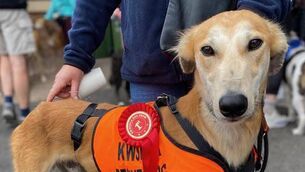
500 animals rehomed this year by Kildare charity
Spaying releases females from the constant cycle of unwanted pregnancies and reduces their risk of developing mammary cancer
AS WE move into the second half of the year, the KWWSPCA is delighted to report that we have helped or rehomed over 500 animals during the first half of 2026.
This includes 230 adoptions, seven long-term foster placements and assistance in reuniting nine lost dogs with their owners.
In the same period, our cat section’s TNR (Trap, Neuter, and Return) team, which you can read more about below, have successfully facilitated 274 feral cats, improving their chances of a longer, healthier life, whilst at the same time assisting in the control of cat colonies in Kildare & West Wicklow.
These outcomes are incredible and we wish to extend our sincere thanks to all who have supported us in achieving them.
Your continued loyalty and generosity are much appreciated as we continue to care for and create new beginnings for vulnerable animals in our community.
The summer months are particularly demanding for our TNR team, as breeding amongst feral cats is at its peak, and colonies can expand very rapidly during these months.
You may have cats living nearby that appear to be living wild, whose welfare you are concerned about or perhaps you are being kept awake by the howling and yowling of feral cats at night. If so, there is a solution and our TNR team can help.
The team is trained to safely and humanely trap a cat, before taking it directly to a vet for spaying or neutering.
Once with the vet, the cat will be checked prior to receiving anaesthetic and will be treated for any visible injuries before being returned to its territory.
Cats are returned to the exact location where they were trapped in order to minimise any further stress or confusion.
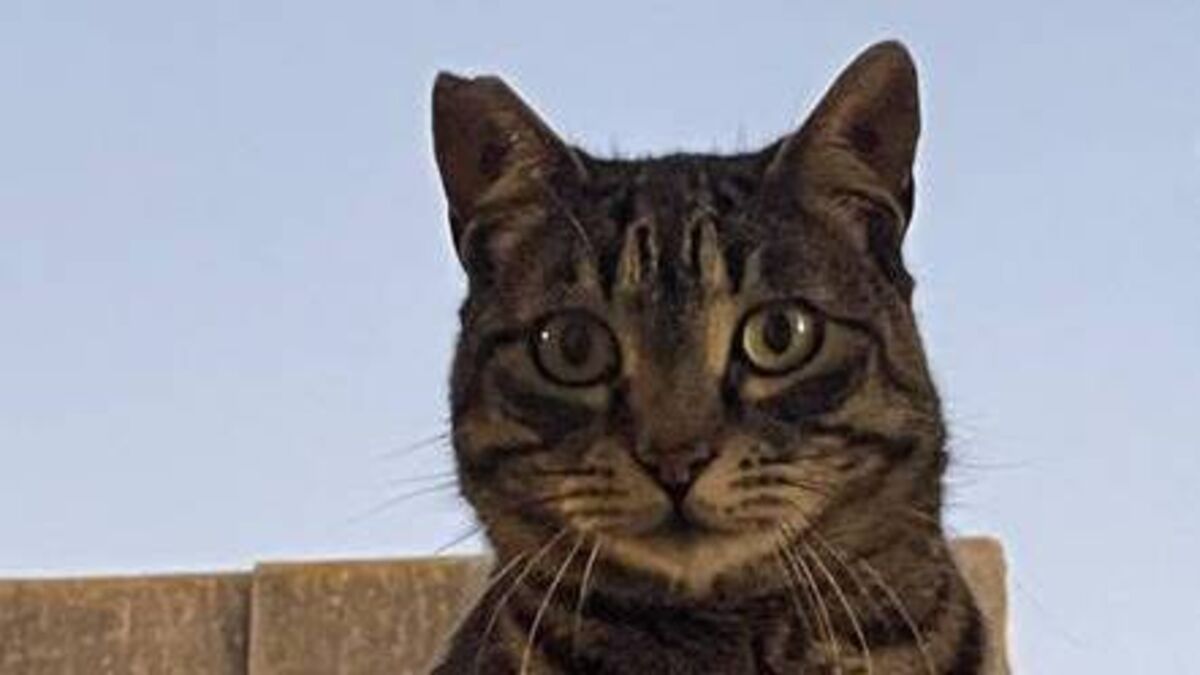
If you spot a cat with the tip of its ear missing like the cat in the photograph, then it may well be the beneficiary of the TNR service.
This is because the vet makes a small nip from the cat’s ear during surgery, known as ear-tipping, which ensures that the cat is identifiable as having been neutered and prevents it from being re-trapped unnecessarily in the future.
Feral cats are unsocialised and fearful of humans so in the vast majority of cases the only option is to return them to their colony, but they return to a more peaceful life with lower health risks and improved life expectancy.
Spaying releases females from the constant cycle of unwanted pregnancies and reduces their risk of developing mammary cancer.
Neutered tomcats will lose their tendency for territorial aggressive behaviours such as roaming, spraying and fighting with competing males, which drastically reduces their risk of serious injury. Life should become more relaxed and they are more pleasant.
Occasionally a cat may show itself to be friendly and receptive to human contact, and in these exceptional cases our cat section, Kitty Cottage will do its best to find a suitable domestic home for the cat rather than returning it to feral life.
The opportunity for being rehomed as a domestic cat can be more favourable for kittens found in feral locations, but only if they are at a young enough age to be tamed, so it’s important to act if you are concerned that you have a colony living nearby.
You can contact the KWWSPCA cat helpline on 087 343 9803 or visit our website for further information: www.kwwspca.ie/kwwspca-tnr-trap-neuter-return/.
The KWWSPCA is a registered charity, no. CHY 6280 and can be contacted at kwwspca@gmail.com. All our details can be found at www.kwwspca.ie.